Stepping into the world of baking and cooking, you quickly realize that certain tools are not just helpful, they’re essential. Among these, the Electric Hand Mixer stands out as a true culinary workhorse, transforming tedious tasks into effortless joys. Whether you’re a seasoned chef or just starting your gastronomic journey, understanding this compact powerhouse is key to unlocking a world of delicious possibilities. On MixerPro, we champion the belief that knowledge empowers creativity, and today, we’re diving deep into everything you need to know about this indispensable kitchen gadget.
The Evolution of Effortless Mixing: A Brief History
Before the advent of electricity, mixing ingredients was a laborious affair, relying on manual whisks and strong arm muscles. The early 20th century brought the first mechanical mixers, but it wasn’t until later that the electric hand mixer as we know it began to take shape. These early models, though basic, revolutionized home baking by introducing a level of speed and consistency previously unattainable. Over the decades, technological advancements in motor design, speed controls, and attachment variety have refined the hand mixer into the sleek, efficient, and user-friendly appliance it is today, offering ergonomic designs and robust performance for every kitchen task imaginable.
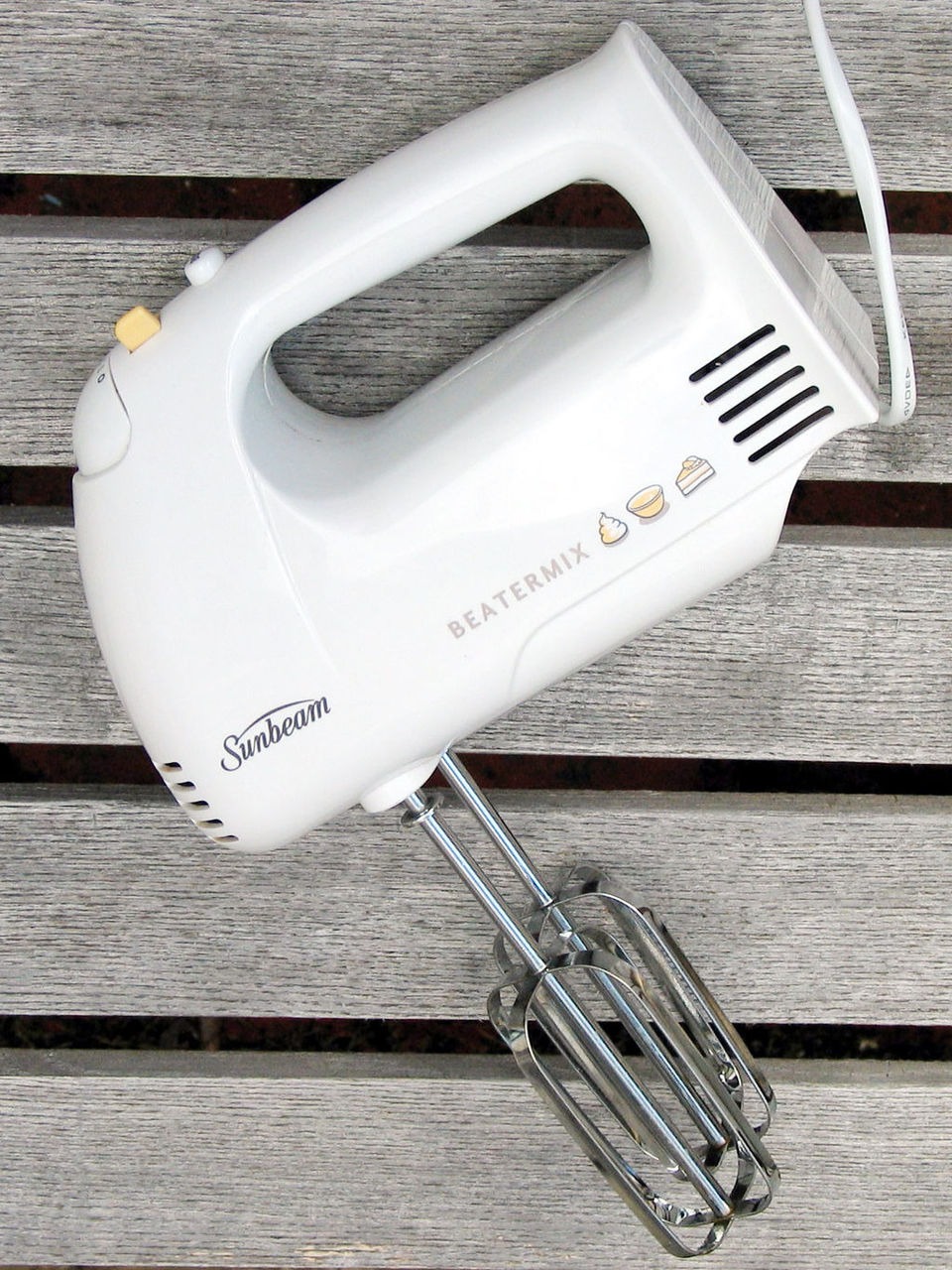
Understanding Your Electric Hand Mixer: Key Features and Types
Choosing the right electric hand mixer involves more than just picking a pretty color. It’s about understanding the core technologies and features that define its performance and versatility.
Motor Technology and Power (Wattage)
The heart of any hand mixer is its motor. Power, typically measured in watts, dictates how easily your mixer can handle different consistencies. Most modern electric hand mixers range from 200 to 350 watts. A mixer with around 200-250 watts is perfectly capable of handling everyday tasks like whipping cream, beating eggs, and mixing light batters. For denser doughs or heavier mixtures, a mixer closer to 300-350 watts will offer more resilience and prevent motor strain, ensuring longevity and consistent performance. “Don’t just look at the highest wattage; consider the tasks you’ll tackle most frequently. A well-engineered 250-watt mixer can often outperform a poorly designed 300-watt one for general use,” advises Clara Jensen, a culinary appliance engineer.
Beater Design and Attachments
The versatility of an electric hand mixer largely comes from its attachments.
- Standard Beaters: These are your go-to for most mixing tasks – creaming butter and sugar, beating eggs, or combining cake batters. Their design ensures thorough incorporation of ingredients while aerating them.
- Whisk Attachments: Lighter and airier tasks, such as whipping egg whites to stiff peaks for meringues or creating fluffy whipped cream, are best handled by whisk attachments. They introduce more air, resulting in lighter textures.
- Dough Hooks: For those who enjoy homemade bread or pizza, dough hooks are a game-changer. While hand mixers aren’t designed for heavy-duty kneading like stand mixers, these hooks can handle lighter doughs for quick breads or soft rolls without overworking your hands.
- Flex Edge Beaters: Some premium models feature flex edge beaters, which have silicone edges that scrape the sides of the bowl as they mix, reducing the need for manual scraping and ensuring a more thoroughly combined mixture.
Speed Settings
The number of speed settings on an electric hand mixer is crucial for precise control. Entry-level models might offer 3 to 5 speeds, sufficient for basic tasks. More advanced mixers boast 7, 9, or even up to 16 speeds.
- Low Speeds: Ideal for gently combining dry ingredients, folding in delicate items, or starting to mix to prevent splashes.
- Medium Speeds: Perfect for most cake batters, cookie doughs, and mashed potatoes.
- High Speeds: Reserved for maximum aeration, like whipping cream or egg whites to their fullest volume, or quickly emulsifying sauces.
A soft-start feature, found on many modern electric hand mixers, is also incredibly helpful as it gradually increases speed, preventing ingredients from scattering out of the bowl.
Corded vs. Cordless Models
The traditional electric hand mixer is corded, offering continuous power without worrying about battery life. However, cordless options are gaining popularity for their unparalleled portability, allowing you to mix anywhere in the kitchen without being tethered to an outlet. While convenient, cordless models require charging and may offer slightly less power or run time compared to their corded counterparts.
Ergonomics and Design
Comfort and ease of use are paramount. Look for an electric hand mixer with an ergonomic handle that fits comfortably in your hand, balanced weight distribution, and easy-to-reach controls. The materials should be durable and easy to clean, and a flat heel rest allows the mixer to stand upright on the counter, keeping your workspace tidy.
|
Our Picks for the Best Hand Mixer in 2026
As an Amazon Associate I earn from qualifying purchases.
|
||
| Num | Product | Action |
|---|---|---|
| 1 | RAFOW Handheld Electric Milk Frother: Rechargeable Frother Wand with Stand, 3 Speeds & Detachable Double Whisk Drink Mixer, Froth Stirrer for Latte, Cappuccino, Cream, Matcha, Dalgona Coffee - White |

|
| 2 | Milk Frother Handheld Battery, Electric Foam Maker Frother Wand, Drink Mixer with Stainless Steel Whisk for Coffee, Matcha, Lattes, Cappuccino Black |
|
| 3 | KitchenAid 5-Speed Ultra Power Hand Mixer |
|
| 4 | KitchenAid 5-Speed Ultra Power Hand Mixer - KHM512, Contour Silver |
|
| 5 | Hamilton Beach 6-Speed Electric Hand Mixer with Whisk, Dough Hooks and Easy Clean Beaters, Powerful 275 Watt Motor, Snap-On Storage Case, White |
|
| 6 | Hamilton Beach 6-Speed Electric Hand Mixer with Whisk, Traditional Beaters, Snap-On Storage Case, 250 Watts, White |
|
| 7 | Dough Mixer 8.45 QT Electric Mixer - 660W 6 Speed Large Capacity Kitchen Stand Mixer with Whisk Dough Hook Mixing Beater Household Food Mixer for Baking Cakes Cookie Bread Salad |
|
| 8 | Powerful 600W Hand Mixer, 5-Speed Electric Hand Held Mixer for Baking, Lightweight Stainless Steel Hand Beaters *2 & Dough Hooks*2 with Eject Button, Kitchen Mixer for Cream, Cookies, Dough-Blue |
|
| 9 | 5-Speed Electric Hand Mixer, 800W Handheld Mixer with Turbo for Baking & Cooking, Kitchen Food Mixer with Storage Case & 5 Stainless Steel Attachments (2 Beaters, 2 Dough Hooks, 2 Whisks)-White |
|
| 10 | KitchenAid 5 Ultra Power Speed Hand Mixer - KHM512, White |
|
Mastering Your Electric Hand Mixer: An Effective Usage Guide
Using an electric hand mixer efficiently is about more than just pressing a button. It’s about technique, safety, and care.
Step-by-Step Assembly
- Select the Right Attachments: Choose beaters for general mixing, whisks for aeration, or dough hooks for lighter doughs.
- Insert Securely: Align the attachments with the openings on the underside of the mixer and push them in firmly until they click into place. Most mixers have different sized holes for each beater, ensuring they are inserted correctly.
- Check Power Source: If corded, plug into a grounded outlet. If cordless, ensure the battery is charged and properly inserted.
Choosing the Right Speed for Every Task
This is where the magic happens!
- Start Low: Always begin mixing on the lowest speed to incorporate ingredients, especially dry ones, to prevent a “flour cloud.”
- Gradually Increase: Once ingredients are somewhat combined, slowly increase the speed to the desired level.
- Adjust as Needed: For thick batters, you might need higher speeds. For delicate folds, stick to the lowest setting.
Proper Technique for Diverse Tasks
- For Batters and Doughs: Move the mixer in a circular motion around the bowl, occasionally tilting the bowl and rotating it to ensure all ingredients are evenly mixed. Don’t forget to scrape down the sides of the bowl with a spatula to incorporate any unmixed ingredients.
- For Whipping: For egg whites or cream, use a clean, dry bowl (preferably metal or glass) and gradually increase the speed. Hold the mixer relatively still, allowing the beaters to do the work of incorporating air.
- Avoiding Overmixing: Overmixing can lead to tough cakes or dry cookies. Mix only until ingredients are just combined and smooth.
Safety and Care
- Unplug Before Cleaning: Always unplug your electric hand mixer before inserting or removing attachments, or cleaning.
- Clean Attachments Immediately: Wash beaters, whisks, and dough hooks in warm, soapy water or place them in the dishwasher (if dishwasher-safe).
- Wipe Down the Unit: Use a damp cloth to wipe the main body of the mixer, ensuring no food particles accumulate. Never immerse the motor unit in water.
- Proper Storage: Many electric hand mixers come with a snap-on case or a stand, which helps keep attachments organized and the mixer protected.
Beyond the Basics: Tips, Tricks, and Creative Applications
An electric hand mixer is incredibly versatile, extending its utility far beyond basic baking.
- Perfectly Whipped Cream: Achieve light, airy whipped cream in minutes for desserts.
- Fluffy Meringues: Transform egg whites into stiff, glossy peaks for lemon meringue pie or pavlova.
- Smooth Mashed Potatoes: Say goodbye to lumpy potatoes; a hand mixer ensures a creamy, consistent texture.
- Quick Frostings and Glazes: Effortlessly combine butter, powdered sugar, and flavorings for homemade frostings.
- Emulsifying Sauces: Create smooth salad dressings, mayonnaise, or hollandaise sauce with ease.
- Shredding Cooked Chicken: Believe it or not, an electric hand mixer can quickly shred cooked chicken breast for tacos or casseroles. Simply place warm, cooked chicken in a bowl and mix on low speed until shredded.
Why Every Kitchen Needs an Electric Hand Mixer: The Core Benefits
The advantages of owning an electric hand mixer are undeniable, making it a beloved appliance for home cooks and bakers alike.
Time-Saving Efficiency
Manual mixing is time-consuming and labor-intensive. An electric hand mixer drastically cuts down preparation time, allowing you to whip up recipes faster and with less effort. This efficiency is especially valuable for busy individuals who want to enjoy homemade meals and treats without spending hours in the kitchen.
Unmatched Versatility
From delicate meringues to hearty cookie dough, an electric hand mixer handles a wide array of tasks. Its multiple speed settings and various attachments mean you can switch seamlessly between different ingredients and consistencies, making it a truly multi-functional tool. This versatility reduces the need for multiple specialized gadgets, saving space and money.
Compact and Convenient
Unlike bulky stand mixers, hand mixers are compact and easy to store, making them ideal for smaller kitchens or those with limited counter space. Their lightweight design also means they are portable, allowing you to mix directly in the bowl you’re using, anywhere you prefer.
Consistent Results
The consistent power and rotational action of an electric hand mixer ensure that ingredients are thoroughly combined and aerated, leading to more uniform batters, smoother creams, and overall better baking and cooking results. This consistency helps eliminate common issues like unmixed pockets or overbeaten mixtures.
Whip Up Wonders: Popular Recipes Made Easy with Your Hand Mixer
Embrace the power of your electric hand mixer with these crowd-pleasing recipes:
- Classic Chocolate Chip Cookies: Achieve that perfect creamy butter and sugar base.
- Vanilla Buttercream Frosting: Smooth, fluffy, and ready to adorn your cakes and cupcakes.
- Homemade Whipped Cream: A fresh, airy topping for pies, fruit, or hot beverages.
- Scrambled Eggs or Omelets: Quickly whisk eggs for a light and fluffy breakfast.
- Creamy Tomato Soup: Blend cooked vegetables for a silky-smooth texture.
- Quick Banana Bread: Mix batters effortlessly for moist, delicious loaves.
Frequently Asked Questions (FAQ)
Q: What’s the main difference between an electric hand mixer and a stand mixer?
A: An electric hand mixer is portable, lighter, and more compact, ideal for smaller batches and quick tasks. A stand mixer is heavier, more powerful, and designed for larger batches and heavy-duty tasks like kneading bread dough, often with hands-free operation and a wider range of attachments.
Q: How many speeds do I really need on my electric hand mixer?
A: For most home cooks, a hand mixer with 5 to 7 speeds offers excellent versatility. It provides enough range for delicate folding, general mixing, and vigorous whipping, covering the majority of common kitchen tasks effectively.
Q: Can an electric hand mixer knead bread dough?
A: While some electric hand mixers come with dough hooks, they are generally suitable only for lighter doughs, like those for quick breads or soft rolls. For heavy, yeasted bread doughs that require extensive kneading, a stand mixer is typically more appropriate due to its greater power and stability.
Q: How do I clean my electric hand mixer?
A: Always unplug the electric hand mixer first. Remove the attachments and wash them in warm, soapy water or place them in the dishwasher if they are dishwasher-safe. Wipe the motor unit clean with a damp cloth, being careful not to submerge it in water.
Q: What wattage is best for an electric hand mixer?
A: For general use, an electric hand mixer with 200-250 watts is usually sufficient. If you frequently handle thicker batters or lighter doughs, opting for a model between 250-350 watts will provide more power and better performance.
The MixerPro Take: Empowering Your Culinary Journey
The electric hand mixer is far more than just a kitchen appliance; it’s a catalyst for culinary creativity, a time-saver, and a reliable partner in crafting delicious memories. From its humble beginnings to today’s high-tech models, it continues to prove its worth by offering unparalleled versatility and convenience. At MixerPro, we believe that understanding your tools is the first step to mastering your craft. So, go ahead, explore the capabilities of your electric hand mixer, experiment with new recipes, and let this essential gadget empower your journey in the kitchen. Happy mixing!