Every home cook and baker knows the rhythmic whir of a reliable hand mixer can turn kitchen tasks from tedious to triumphant. It’s that compact, indispensable tool that saves your arms from endless whisking, bringing creamy batters, fluffy meringues, and perfectly blended sauces to life. But with so many options crowding the market, how do you sift through the noise to find a truly Good Hand Mixer that fits your culinary journey? At MixerPro, we believe in empowering you with deep insights into what makes these handheld powerhouses tick, ensuring your next kitchen investment is a stroke of genius.
The Evolution of Hand Mixers: A Kitchen Staple
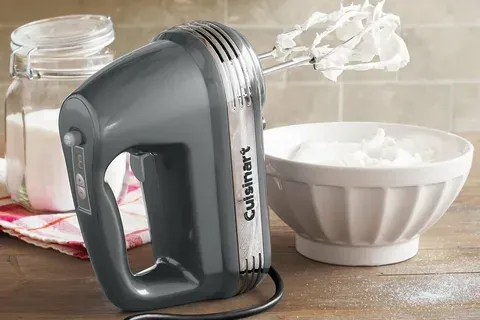
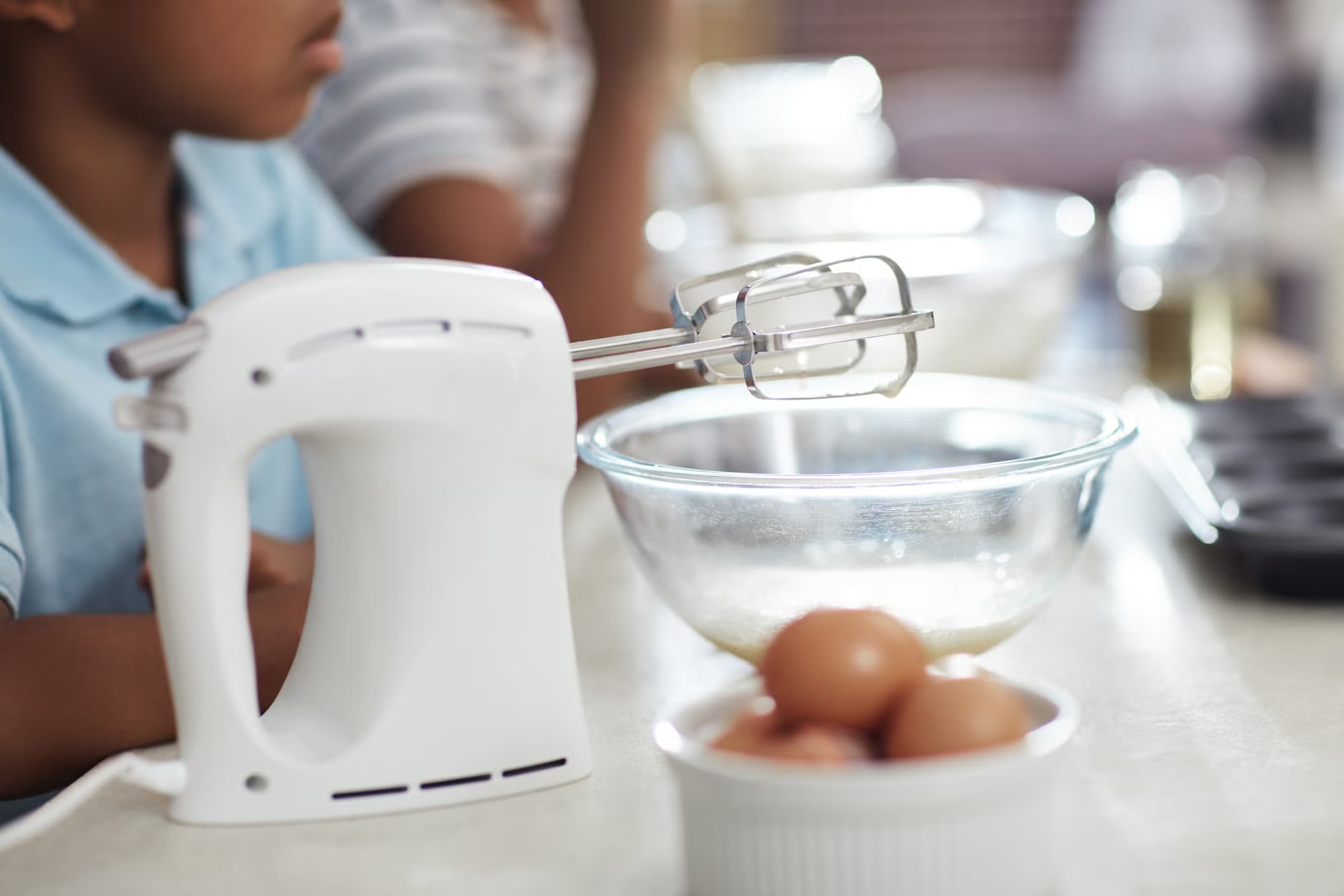
Long before electric motors took over, aspiring chefs relied on sheer arm strength and manual whisks. Imagine creaming butter and sugar by hand for half an hour! The introduction of the electric hand mixer in the 1960s revolutionized home baking, offering a compact, affordable, and immensely convenient alternative to bulky stand mixers. What started as a simple device has steadily evolved, incorporating advanced motor technology, ergonomic designs, and a dazzling array of attachments to meet the demands of modern kitchens. Today, a good hand mixer isn’t just about mixing; it’s about precision, comfort, and versatility.
From Manual Whisks to Modern Marvels
The journey from a rudimentary manual whisk to the sophisticated electric hand mixers we use today is a testament to culinary innovation. Early electric models were revolutionary for their time, but often clunky and limited in speed. Fast forward to now, and we have cordless options, smart technology that senses attachments, and designs that are as much a joy to look at as they are to use. This evolution has made baking and cooking more accessible and enjoyable for everyone, from beginner bakers to seasoned pros.
What Makes a Hand Mixer “Good”? Key Features to Look For
Choosing a hand mixer isn’t merely about picking the prettiest one off the shelf. A truly good hand mixer excels in several key areas, offering a blend of power, control, comfort, and thoughtful design. Let’s delve into the specifics that set the best apart.
Motor Power: The Heart of the Mixer
When it comes to motor power, many assume higher wattage automatically equals better performance. However, that’s not always the full story. While hand mixers typically range from 200 to 250 watts, with some reaching a powerful 350 watts, the efficiency of the motor and the quality of internal gears are just as crucial. A lower wattage mixer with superior gearing can often outperform a higher wattage one with less refined components. The ideal wattage is enough to handle thick cookie doughs and batters without straining, yet efficient enough to maintain consistent speed. A robust motor ensures your mixer won’t bog down when faced with challenging ingredients.
Beater Design: More Than Just Whisking
The design of the beaters might seem like a minor detail, but it significantly impacts mixing efficiency and overall experience. Twisted or open-shaped beaters are often more effective at incorporating ingredients thoroughly, reducing mixing time and eliminating unmixed pockets. A particularly innovative feature seen in many top models is silicone-coated beaters. These not only protect your precious mixing bowls from scratches but also contribute to a quieter operation, scraping the sides of the bowl more effectively as you mix. Look for beaters that are easy to insert and eject, and preferably dishwasher-safe for effortless cleanup.
Speed Settings and Control: Precision at Your Fingertips
A good hand mixer offers a range of speed settings, typically between five and nine, allowing for precise control over various tasks. The most crucial aspect here is the “slow start” feature. Have you ever started a mixer on a higher speed and found flour or batter splattering everywhere? A gentle slow start prevents this messy mishap, gradually increasing speed to incorporate dry ingredients smoothly. Beyond that, clearly marked and easily accessible controls – whether buttons or a responsive dial – are essential for one-handed operation while you’re holding a bowl. A “turbo boost” function can also be a game-changer for tackling particularly stubborn mixtures or achieving extra fluffiness.
Ergonomics and Weight: Comfort in Your Hand
Nobody wants a mixer that feels like a weightlifting exercise. An ergonomic design and a comfortable grip are paramount, especially during longer mixing sessions. Look for handles with rubberized or silicone grips that fit naturally in your hand, preventing slippage and reducing hand fatigue. The overall weight and balance of the mixer also play a huge role. While a too-light mixer can feel flimsy and hard to control, an overly heavy one will tire you out quickly. Many experts suggest an ideal weight of around 1.5 pounds without attachments, striking a perfect balance between stability and comfort.
Accessories and Attachments: Beyond Basic Mixing
While standard beaters are a given, a good hand mixer often comes with a suite of useful attachments that expand its versatility. A balloon whisk attachment is excellent for whipping air into egg whites or cream, achieving those coveted stiff peaks faster than regular beaters. Dough hooks are invaluable for kneading lighter doughs, like those for quick breads or cookies, though for heavy, yeasted bread doughs, a stand mixer is generally more suitable. Some mixers even include blending rods for soups or smoothies, or spatulas for scraping. A convenient storage case or snap-on compartment for these attachments and the power cord is a huge bonus, keeping everything organized and easily accessible.
Noise Level and Durability: Quiet Strength
A noisy appliance can quickly become an annoyance in the kitchen. Modern hand mixers are increasingly designed with quieter motors and features like silicone-coated beaters that reduce clatter against bowls. As for durability, a good hand mixer is built to last. Look for sturdy construction and quality materials that promise years of reliable service. After all, this is a tool you’ll be reaching for frequently, and it should withstand the rigors of your culinary adventures.
Choosing the Right Hand Mixer for Your Needs
Understanding the features is one thing; matching them to your lifestyle is another. Your “good hand mixer” will depend heavily on how you plan to use it.
For the Occasional Baker
If you primarily bake cakes, cookies, and whip cream a few times a month, a mid-range model with 5-7 speeds, standard beaters, and a whisk attachment should suffice. Prioritize comfort and easy cleanup.
For the Avid Home Cook
For those who frequently engage in a variety of baking and cooking projects, a more powerful model (250W+) with 9+ speeds, a slow start feature, and a full range of attachments (including dough hooks) would be a worthwhile investment. Features like a built-in timer or light can enhance your experience.
For Specialized Tasks
If you have specific needs, such as making a lot of meringue (balloon whisk is essential), or light bread doughs (dough hooks are key), ensure your chosen mixer comes with the right specialized attachments. Cordless options are fantastic for kitchen islands or when portability is a priority, but remember to factor in charging time and battery life.
Mastering Your Hand Mixer: Tips and Tricks
Even the best hand mixer performs better with a few clever techniques. Elevate your mixing game with these pro tips.
Prepping Your Ingredients
Always bring ingredients like butter and eggs to room temperature before mixing. This allows them to combine more smoothly and efficiently, yielding a more uniform and airy mixture. Measure all your ingredients accurately before you begin, so you can focus on the mixing process without interruptions.
Proper Mixing Techniques
- Start Slow: Always begin on the lowest speed to prevent ingredients from scattering. Gradually increase the speed as the ingredients combine.
- Move Around: With a hand mixer, you’re in control. Move the beaters around the bowl, ensuring all ingredients are thoroughly incorporated, especially scraping down the sides of the bowl periodically.
- Don’t Overmix: Overmixing can lead to tough textures, especially in batters. Mix only until ingredients are just combined, unless the recipe specifically calls for extended mixing (like for whipped cream or meringue).
- Add Gradually: When adding dry ingredients to wet, do so in small increments, mixing gently after each addition.
Cleaning and Maintenance
Most modern hand mixer attachments are dishwasher-safe, making cleanup a breeze. For the mixer body, simply wipe it down with a damp cloth. Always unplug your mixer before cleaning or changing attachments to ensure safety. Store your mixer and its attachments neatly, ideally in a dedicated storage case, to protect them and keep your kitchen organized.
Creative Culinary Uses for Your Hand Mixer
A hand mixer is far more versatile than just whipping up cake batter. Let’s explore some unexpected and delightful applications!
Beyond Batters: Savory Applications
Who says hand mixers are just for sweets? They’re fantastic for savory dishes too.
- Creamy Mashed Potatoes: Achieve perfectly smooth, lump-free mashed potatoes with ease.
- Shredding Cooked Chicken: Speed up meal prep by using your hand mixer to quickly shred cooked chicken for tacos, casseroles, or salads.
- Emulsifying Dressings: Create stable, perfectly emulsified vinaigrettes and creamy salad dressings.
- Making Butter: Yes, you can even churn your own butter from heavy cream!
Dessert Delights: Whipped Cream and Meringues
These are classic tasks where a hand mixer truly shines.
- Fluffy Whipped Cream: Transform heavy cream into light, airy whipped cream for desserts in minutes.
- Stiff Meringues: Achieve glossy, stiff-peaked meringues for lemon meringue pie or pavlova without an arm workout.
- Buttercream Frosting: Create silky-smooth buttercream for cakes and cupcakes.
The Benefits of a Reliable Hand Mixer
Investing in a good hand mixer brings a multitude of advantages to your kitchen.
Time-Saving Convenience
In today’s fast-paced world, every minute counts. A hand mixer drastically cuts down on manual mixing time, allowing you to prepare dishes more quickly and efficiently.
Consistent Results Every Time
Achieving uniform texture and consistency is key to delicious results. A hand mixer provides steady, controlled power, ensuring your ingredients are always perfectly blended, leading to better taste and presentation.
Versatility in the Kitchen
From light whipping to mixing thick doughs, a hand mixer handles a wide array of tasks. Its adaptability makes it a true multi-purpose tool, freeing up space by reducing the need for several single-use gadgets.
Popular Dishes and Recipes Perfect for Hand Mixers
A good hand mixer opens up a world of culinary possibilities. Here are just a few favorites:
- Classic Chocolate Chip Cookies: For that perfectly incorporated dough with just the right chew.
- Banana Bread: Easily mix wet and dry ingredients for a moist and flavorful loaf.
- Pancakes and Waffles: Whisk away lumps for smooth, airy batters every time.
- Cupcakes and Muffins: Achieve light, fluffy baked goods with minimal effort.
- Homemade Mayonnaise: Emulsify oil and egg yolks into a rich, creamy condiment.
- Deviled Eggs: Quickly whip the yolks into a smooth, fluffy filling.
Frequently Asked Questions About Hand Mixers
Q: What wattage should I look for in a good hand mixer?
A: While 200-250 watts is sufficient for most tasks, look for efficient motor design over just raw wattage. Some powerful models go up to 350 watts, but overall build quality and gear efficiency are more important than wattage alone.
Q: Can a hand mixer knead bread dough?
A: Hand mixers with dough hook attachments can handle light doughs like those for quick breads or cookie dough. However, for heavy, dense, or yeasted bread doughs, a more powerful stand mixer is generally recommended.
Q: What attachments are essential for a versatile hand mixer?
A: Standard beaters are a given. A balloon whisk is crucial for whipping egg whites and cream to airy perfection, and dough hooks are very useful for light doughs. A storage case for these attachments is also a handy feature.
Q: How important is a slow start feature?
A: A slow start feature is highly important as it prevents ingredients from splattering out of the bowl when you first turn on the mixer, making for a cleaner and more pleasant mixing experience.
Q: Are cordless hand mixers a good option?
A: Cordless hand mixers offer excellent portability and convenience, especially if you move around your kitchen a lot or have limited outlets. Consider their battery life and charging time to ensure they meet your needs.
Q: How can I tell if a hand mixer is comfortable to hold?
A: Look for ergonomic handle designs with comfortable grips, often rubberized or silicone. If possible, hold the mixer to assess its weight and balance; it should feel stable and not overly heavy (around 1.5 lbs is often ideal).
Your Culinary Journey, Powered by the Right Hand Mixer
Choosing a good hand mixer is about finding a tool that seamlessly integrates into your kitchen routine, making cooking and baking more efficient, enjoyable, and successful. It’s a blend of power, precision, comfort, and thoughtful design that truly makes a difference. As you embark on your next culinary adventure, remember that the right hand mixer isn’t just an appliance; it’s your trusted partner in crafting delicious memories. Experiment, create, and share your delightful concoctions – your perfect mix is just a button press away!