Ever found yourself in the kitchen, whisk in hand, battling a stubborn cake batter or aching from endlessly whipping cream? You’re not alone. For many home bakers, a Hand Cake Mixer isn’t just another gadget; it’s a game-changer. This versatile and compact appliance empowers you to effortlessly achieve perfect textures for your favorite bakes, transforming daunting tasks into delightful experiences. Whether you’re a seasoned pro or just starting your baking journey, understanding the ins and outs of your hand cake mixer can unlock a world of culinary possibilities.
The Evolution of Effortless Mixing
Believe it or not, efficient mixing wasn’t always a push-button affair. For centuries, bakers relied on sheer elbow grease with whisks and wooden spoons. The early 20th century brought about the first electric mixers, but they were often bulky and expensive. The hand cake mixer emerged as a more accessible, portable solution, continuously evolving with advancements in motor technology, ergonomic design, and specialized attachments. Today’s hand cake mixers are powerful yet lightweight, designed to fit seamlessly into any kitchen and tackle a surprising range of tasks with finesse.
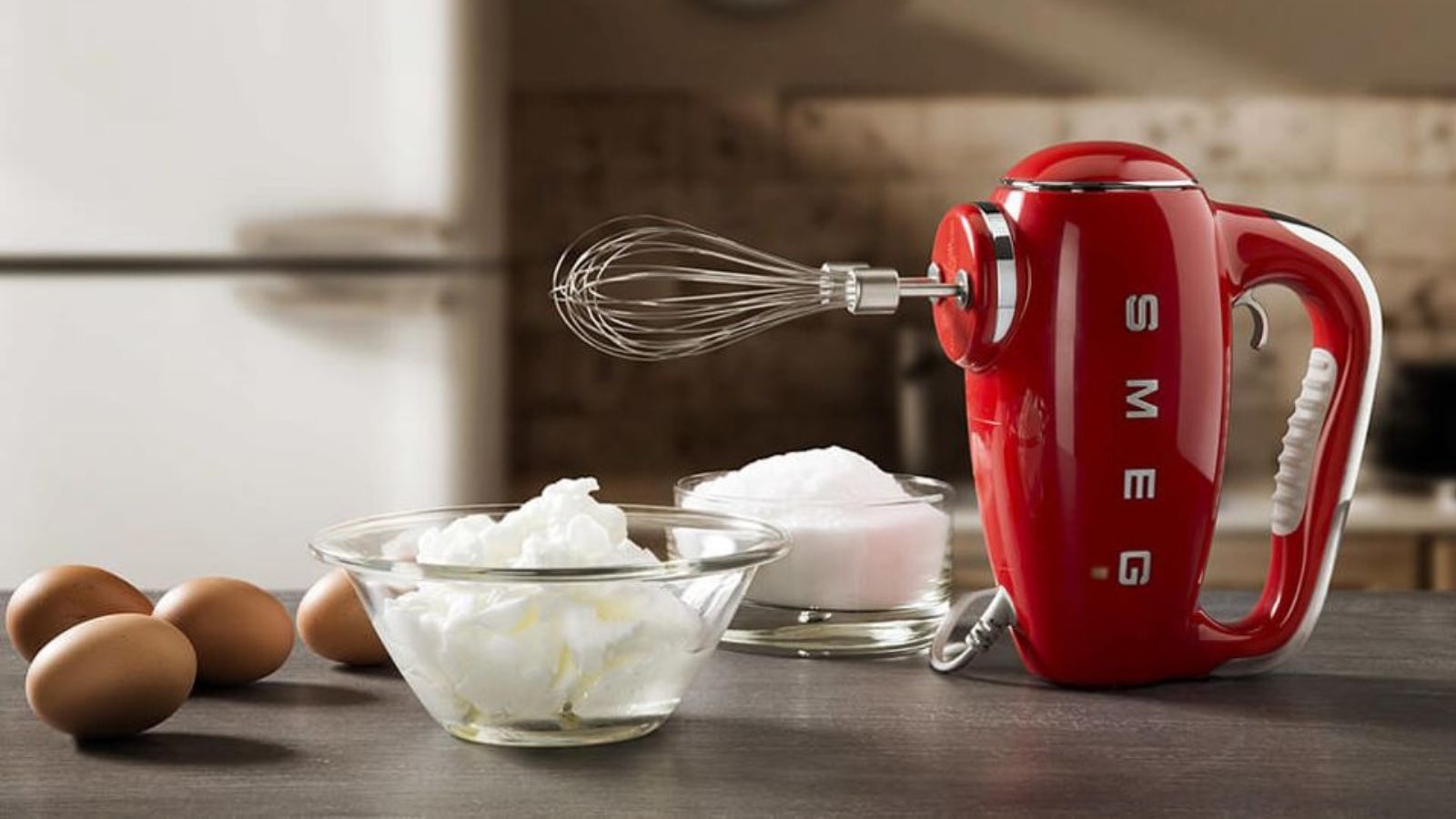
Decoding Your Hand Cake Mixer: Features and Functionality
When choosing or understanding your hand cake mixer, several key features make a big difference in performance and user experience.
Motor Power and Speed Settings
The heart of any hand cake mixer is its motor. Most effective models offer anywhere from 200 to 350 watts of power, providing ample muscle for various ingredients. While it might seem counterintuitive, a higher wattage doesn’t always directly equate to higher quality. Sometimes, a mixer with slightly lower wattage but superior internal gears can perform just as well, if not better, needing less power to operate efficiently.
Speed control is equally crucial. A good hand cake mixer typically offers 5 to 9 distinct speed settings, often including a “slow start” feature to prevent ingredients from splattering and a “turbo boost” for tackling tougher mixtures or finishing tasks quickly. This range allows you to gently fold in delicate dry ingredients or aggressively whip egg whites to stiff peaks, offering precise control over your concoctions.
Essential Attachments and Their Uses
Your hand cake mixer is only as versatile as its attachments. Most models come with a standard set, each designed for specific mixing needs:
- Beaters: These are your go-to for creaming butter and sugar, mixing cake batter, and combining general ingredients. Some modern beaters are designed with more surface area or even silicone coatings to scrape the bowl more effectively and prevent scratching.
- Whisks (or Balloon Whisks): Ideal for incorporating air into ingredients, perfect for whipping egg whites into meringue, creating light and fluffy whipped cream, or airy batters.
- Dough Hooks: While hand cake mixers generally excel at lighter tasks, dough hooks allow you to knead softer, lighter doughs like those for quick breads or some cookie recipes. For heavy, yeasted bread doughs, a stand mixer is often preferred to avoid straining the motor.
Some advanced hand cake mixers might even feature specialized “MultiWhisk” beaters that combine whisking and beating functions, or scraper beaters that minimize the need to stop and manually scrape down the bowl.
Ergonomics, Weight, and Storage
Comfort is king when you’re holding an appliance for several minutes. Look for a hand cake mixer with an ergonomic, comfortable handle and good balance. Models that are too heavy can cause fatigue, while those too light might feel flimsy and hard to control. An ideal weight without attachments is often around 1.5 lbs (680g). Many hand mixers also come with convenient storage cases or bags for attachments, keeping everything tidy and easily accessible.
Mastering Your Hand Cake Mixer: A Detailed Usage Guide
Using your hand cake mixer effectively is straightforward, but a few tips can ensure smooth, splatter-free success every time.
- Safety First: Always ensure your hand mixer is unplugged and the speed setting is on its lowest position before attaching or detaching beaters.
- Choose the Right Attachment: Refer to your recipe. Beaters are for general mixing and creaming, whisks for aeration, and dough hooks for light kneading.
- Prepare Your Bowl: Use a large mixing bowl to prevent splatters, especially when dealing with liquids or larger quantities.
- Start Slow: Once the beaters are submerged in your ingredients, plug in the mixer and start at the lowest speed. This gentle start prevents a cloud of flour or liquid from escaping the bowl.
- Gradually Increase Speed: As ingredients combine, slowly increase the speed to your desired setting. Move the mixer around the bowl, ensuring all ingredients are thoroughly incorporated, paying attention to the sides and bottom.
- Pulsing for Control: For delicate mixtures or to prevent overmixing, use the pulse function or quickly switch the mixer on and off. This allows you to check consistency and avoid unwanted textures.
- Finish and Clean: Once mixing is complete, turn the speed back to low before unplugging the mixer. Use the eject button to safely release the attachments. Most attachments are dishwasher-safe; otherwise, hand wash them immediately in warm, soapy water. Wipe the mixer body clean with a damp cloth.
Tips, Tricks, and Creative Uses with Your Hand Cake Mixer
Beyond cakes, your hand cake mixer is a versatile kitchen ally.
- Room Temperature Ingredients: For best results, especially when creaming butter and sugar, ensure your butter is at room temperature. This allows for better aeration and a smoother consistency.
- Beyond Baking: Don’t limit your hand cake mixer to sweets! It’s fantastic for mashing potatoes, shredding cooked chicken, blending smooth salad dressings, or even preparing fluffy scrambled eggs.
- Achieving Perfect Whipped Cream: For stable whipped cream, chill your bowl and beaters in the freezer for 10-15 minutes before whipping cold heavy cream with a whisk attachment.
- Incorporating Dry Ingredients: When adding dry ingredients to a wet mixture, use the lowest speed or manually fold them in initially to avoid overmixing and developing gluten, which can make cakes tough.
The Undeniable Benefits of a Hand Cake Mixer
Integrating a hand cake mixer into your kitchen arsenal offers a multitude of advantages:
- Time-Saving Efficiency: Say goodbye to arm fatigue and hello to quicker prep times. What once took strenuous hand whisking can now be done in minutes.
- Consistent Results: Electric power ensures even and thorough mixing, leading to consistently smooth batters, perfectly whipped creams, and reliable baking outcomes every time.
- Compact and Portable: Unlike bulky stand mixers, hand cake mixers are lightweight and easy to store in a drawer or cabinet, making them ideal for smaller kitchens or those who bake occasionally. You can also easily move them around the kitchen or even take them to a friend’s house.
- Affordability: Hand mixers are significantly more budget-friendly than stand mixers, offering excellent functionality without a hefty investment.
- Greater Control: Holding the mixer allows for direct control over movement and speed, which can be particularly beneficial for delicate mixtures or when you need to navigate tight spaces in a bowl.
“A quality hand cake mixer is a baker’s secret weapon. It strikes the perfect balance between power and portability, making it indispensable for everything from delicate meringues to robust cookie doughs,” says Chef Anya Sharma, a renowned pastry expert.
Hand Cake Mixer vs. Stand Mixer: Which One is Right for You?
The age-old question for bakers: hand mixer or stand mixer? Both have their place, but they excel at different things.
| Feature | Hand Cake Mixer | Stand Mixer |
|---|---|---|
| Size & Portability | Compact, lightweight, easy to store and move. | Large, heavy, takes up significant counter space. |
| Power | Sufficient for most common tasks, lighter doughs. | More powerful, handles heavy, dense doughs with ease. |
| Effort | Requires holding throughout, can cause fatigue. | Hands-free operation, ideal for long mixing times. |
| Cost | Generally much more affordable. | Higher initial investment. |
| Batch Size | Best for small to medium batches. | Ideal for large batches. |
| Versatility | Good for whipping, creaming, light mixing. | Highly versatile with many specialized attachments (pasta makers, grinders). |
When to Choose a Hand Cake Mixer: If you bake occasionally, have limited kitchen space, prefer precise control, or are on a budget, a hand cake mixer is an excellent choice. It handles everyday tasks like whipping cream, beating eggs, and mixing most cake batters with ease.
When to Consider a Stand Mixer: For frequent bakers, large batch cooking, heavy-duty tasks like kneading bread dough regularly, or recipes requiring long mixing times (e.g., Italian meringue buttercream), a stand mixer is a worthwhile investment.
Many home bakers find having both is the ultimate solution, using the hand mixer for quick, smaller jobs and reserving the stand mixer for more intensive tasks.
Popular Creations with Your Hand Cake Mixer
Your hand cake mixer is ready to help you whip up a storm! Here are just a few popular recipes where it truly shines:
- Classic Cakes: From fluffy vanilla sponge to rich chocolate fudge cakes, achieving smooth, airy batters is effortless.
- Cupcakes & Muffins: Perfect for mixing ingredients just until combined, ensuring tender results.
- Whipped Cream: Fresh, homemade whipped cream for desserts, coffee, or hot chocolate in minutes.
- Meringues: Transform egg whites into stiff, glossy peaks for pavlovas, lemon meringue pie, or macaron batter.
- Frostings & Buttercreams: Cream butter and powdered sugar to silky perfection for delectable cake toppings.
- Pancakes & Waffles: Say goodbye to lumpy batter and hello to smooth, consistent breakfast treats.
- Cookies: While heavy cookie dough can be challenging, most standard cookie batters are easily handled by a good hand cake mixer.
Frequently Asked Questions About Hand Cake Mixers
Q1: What wattage is best for a hand cake mixer?
A hand cake mixer with 200-350 watts is generally ideal for most baking tasks, including mixing batters and whipping cream. While higher wattage can be good, efficient gear design is also crucial for performance.
Q2: Can a hand cake mixer knead bread dough?
A hand cake mixer can handle light doughs with its dough hook attachments. However, for heavy or stiff bread doughs that require prolonged kneading, a stand mixer is usually a more suitable and durable option to prevent motor strain.
Q3: How do I prevent splattering when using a hand cake mixer?
Always start your hand cake mixer on the lowest speed setting with the beaters submerged in the ingredients, then gradually increase the speed. Using a deep, large mixing bowl also helps contain splatters.
Q4: How often should I clean my hand cake mixer?
You should clean your hand cake mixer and its attachments immediately after each use to prevent food from drying and hardening, which makes cleaning more difficult.
Q5: Are hand cake mixer attachments dishwasher-safe?
Many hand mixer attachments, especially beaters and whisks, are dishwasher-safe. Always check your specific model’s instruction manual for cleaning guidelines.
Q6: Can I use a hand cake mixer to blend hot liquids?
While some models come with a blending rod attachment, regular beaters are not designed for blending hot liquids. For hot liquids or smoothies, it’s best to use a dedicated immersion blender or a standard blender.
Embrace the Joy of Baking with Your Hand Cake Mixer
The hand cake mixer stands as a testament to how intelligent design can simplify and enhance our culinary pursuits. It’s more than just an appliance; it’s a reliable partner that brings precision, efficiency, and a touch of professional flair to your home baking. From delicate meringues to rich cake batters, this compact powerhouse ensures consistent, mouth-watering results every time. So, go ahead, grab your hand cake mixer, dive into that recipe, and discover the sheer joy of creating perfectly mixed delights. Your kitchen, and your taste buds, will thank you!