Every home chef, from the budding baker to the seasoned culinary artist, understands the rhythm of a well-equipped kitchen. Among the essential tools that transform ordinary ingredients into extraordinary dishes, the Hand Food Mixer stands out as a true workhorse. This versatile, compact appliance is more than just a convenience; it’s a gateway to effortless blending, whipping, and mixing, saving you time and energy while ensuring consistent, professional-quality results. Whether you’re making light-as-air meringues, creamy mashed potatoes, or your grandmother’s secret cookie dough, understanding the nuances of your hand food mixer is key to unlocking its full potential.
A Journey Through Time: The Evolution of the Hand Food Mixer
The concept of mechanical mixing is far from new. Imagine a kitchen from the mid-19th century, where dedicated cooks would tirelessly whisk ingredients by hand. The first significant step towards automating this labor came in 1856 with Ralph Collier’s patent for a mixer with rotating parts. Soon after, E.P. Griffith patented his whisk in England in 1857, followed by the rotary egg beater from J.F. and E.P. Monroe in the US in 1859, which became a classic American brand under the Dover Stamping Company.
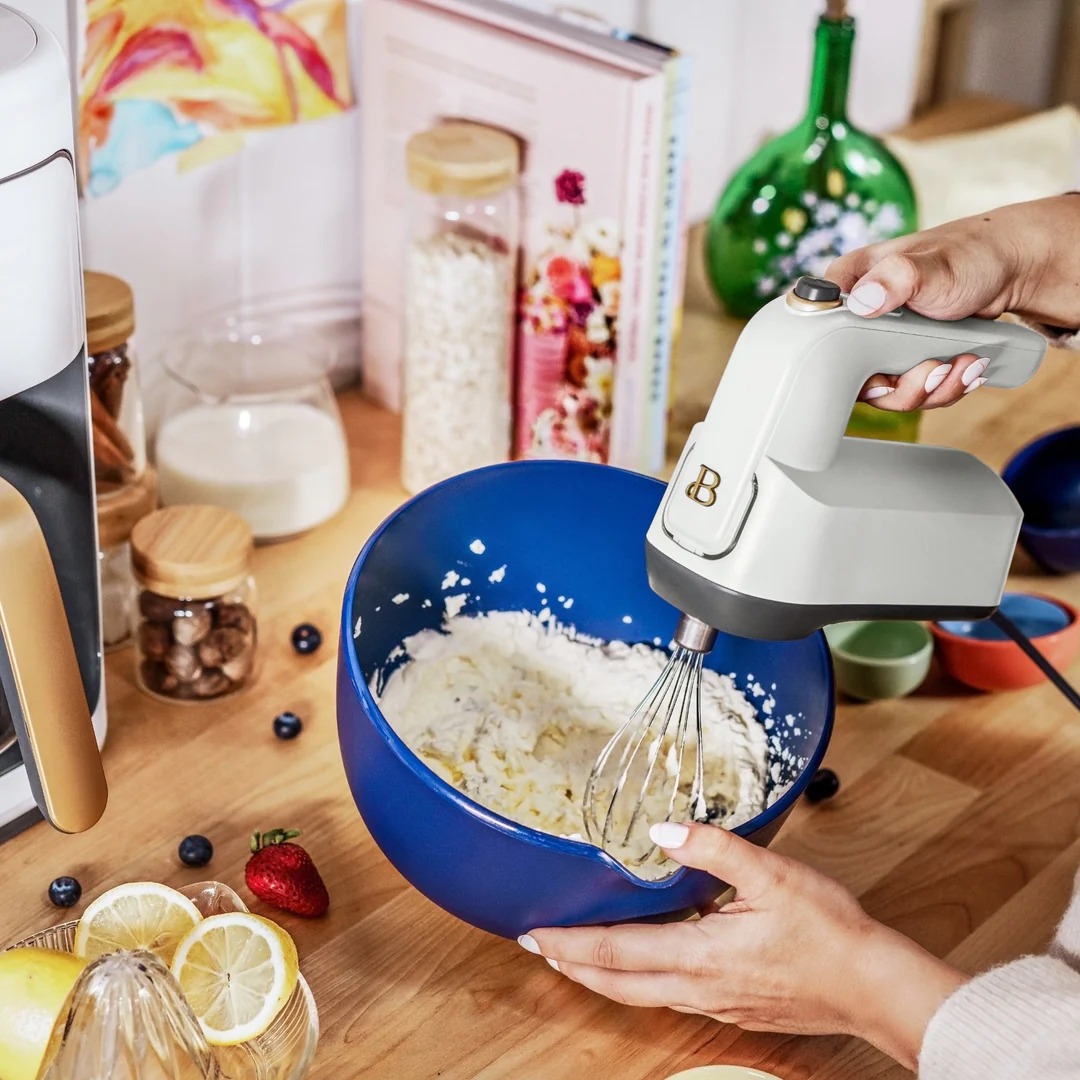
The true revolution, however, arrived with electricity. American Rufus Eastman is credited with inventing the first electric mixer in 1885. While large, commercial mixers by companies like Hobart paved the way in the early 1900s, it wasn’t until the 1920s that electric mixers gained widespread adoption in homes. The specific electric hand food mixer, as we know it today, made its debut in 1964, developed by Dynamic in France, transforming kitchen tasks by offering power and portability in one ingenious device. This rich history underscores a continuous drive to make culinary creation simpler and more accessible for everyone.
Unpacking the Power: What Makes a Great Hand Food Mixer?
Choosing the right hand food mixer is akin to selecting a trusted sous chef—it needs to have the right capabilities, fit comfortably in your hand, and be reliable for all your culinary adventures. Several key features define a top-tier mixer.
Motor & Speed: The Heartbeat of Your Mixer
The motor is the engine of your hand food mixer, and its power, typically measured in watts, directly impacts its performance. While models with less than 200 watts might struggle with thicker mixtures, most hand mixers fall into the 200-250 watt range, which is perfectly adequate for everyday tasks like whipping cream or mixing cake batter. For tackling denser doughs or requiring more robust performance, some powerful models boast 350 watts or more. However, it’s not just about raw power; the quality of internal gears also plays a crucial role in efficiency and durability.
Speed settings are equally vital, offering precision control over your ingredients. A good hand food mixer should provide a range of speeds, usually from 5 to 10. Slow-start features are a godsend, preventing ingredients from splattering out of the bowl when you begin mixing. Additionally, a “turbo boost” function can deliver a quick burst of extra power, perfect for tackling stubborn lumps or achieving that final smooth consistency.
Attachments: Your Culinary Arsenal
The versatility of a hand food mixer often hinges on its accompanying attachments, transforming it into a multi-tasking kitchen gadget.
- Standard Beaters: These are your go-to for general mixing, creaming butter and sugar, and blending cake or cookie batters. Many modern beaters feature silicone coatings to protect your precious mixing bowls from scratches.
- Whisk Attachment: Often a balloon whisk, this attachment is essential for aerating ingredients, achieving fluffy meringues, whipping cream to stiff peaks, or incorporating air into egg whites for soufflés.
- Dough Hooks: While hand mixers are generally best for lighter doughs, a pair of dough hooks can handle tasks like mixing softer bread doughs, pizza dough, or even some enriched doughs for cinnamon rolls. For heavy, dense doughs or prolonged kneading, however, a stand mixer might be a better choice.
Look for models that offer a sturdy snap-on case for organized storage of all these attachments and the power cord, keeping your kitchen tidy and efficient.
Ergonomics & Design: Comfort in Your Hand
Since you’ll be holding your hand food mixer, comfort and ease of use are paramount. An ergonomic handle with a comfortable grip, often featuring rubber or silicone, prevents slipping and reduces arm fatigue, especially during longer mixing sessions. The weight of the mixer also matters; a lightweight model (around 1.5 lbs or 680g is often cited as ideal) is easier to maneuver, but it shouldn’t be so light that it feels unstable.
Consider the design of the base as well. A flat, stable base allows the mixer to rest securely on your countertop without toppling over, which is a small but significant detail for a smooth cooking experience.
Corded vs. Cordless: Freedom in the Kitchen
The traditional corded hand food mixer offers continuous power, making it reliable for any task as long as an outlet is nearby. However, the rise of cordless models provides unparalleled freedom and mobility. Imagine whipping cream at the dining table for last-minute dessert assembly or mixing pancake batter right on your portable induction burner. Cordless hand mixers, typically powered by rechargeable batteries, offer convenience without sacrificing much power for most typical hand mixer tasks. The choice between corded and cordless depends on your kitchen layout and how much mobility you desire.
Hand Food Mixer vs. Stand Mixer: Choosing Your Kitchen Champion
The eternal debate: hand food mixer or stand mixer? While both are invaluable kitchen appliances, they excel in different arenas. Understanding their distinct strengths will help you decide which one is your ideal kitchen companion—or if you need both!
A hand food mixer shines brightly when it comes to portability, affordability, and direct control. It’s lightweight, easy to store in a drawer, and can be used with any mixing bowl you have on hand, giving you flexibility in your workspace. It’s perfect for smaller batches, quick weeknight dinners, or light desserts, such as whipping up a single batch of cookie dough, beating a couple of eggs, or preparing a quick dressing. Your hand guides the beaters, allowing you to scrape down the sides of the bowl precisely and ensure every ingredient is incorporated. However, for extended mixing times or extremely thick batters, holding a hand mixer can lead to arm fatigue.
On the other hand, a stand mixer is the undisputed champion for heavy-duty tasks and large volumes. With its powerful motor and hands-free operation, it effortlessly tackles stiff bread doughs, large batches of cookie batter, or dense cheesecakes. Stand mixers often come with a wider array of specialized attachments, turning them into true multi-functional kitchen workhorses capable of grinding meat or making pasta. They are a significant investment and demand dedicated counter space, but for frequent bakers and those making large quantities, their power and convenience are unmatched.
Ultimately, the choice comes down to your cooking habits and needs. For many home cooks, a reliable hand food mixer offers incredible versatility without the commitment of space or cost that a stand mixer requires.
Unleash Your Culinary Creativity: Diverse Uses for Your Hand Food Mixer
The beauty of a hand food mixer lies in its incredible versatility. It’s a tool that empowers you to create a wide array of dishes with ease.
Baking Delights
This is where the hand food mixer truly shines.
- Cake Batters: From light sponge cakes to rich butter cakes, a hand mixer ensures smooth, lump-free batters with perfect aeration.
- Cookie Doughs: For most cookie recipes, especially those that aren’t too stiff, your hand mixer will cream butter and sugar beautifully and incorporate dry ingredients effortlessly.
- Meringues: Achieving stiff, glossy peaks for meringues can be a workout by hand, but with a whisk attachment, your hand food mixer makes quick work of whipping egg whites.
- Whipped Cream: Say goodbye to sore arms! Fresh, homemade whipped cream for pies, sundaes, or hot chocolate is just minutes away with a hand mixer.
Savory Sensations
Beyond baking, your hand food mixer can be a secret weapon for savory dishes.
- Creamy Mashed Potatoes: Achieve perfectly smooth, lump-free mashed potatoes in no time.
- Dressings and Sauces: Emulsify vinaigrettes or blend creamy sauces with ease.
- Shredded Chicken: Believe it or not, a hand mixer can quickly shred cooked chicken for tacos, casseroles, or sandwiches.
Tips for Optimal Mixing
- Start Slow: Always begin mixing on the lowest speed to gradually incorporate ingredients and prevent splatters, then gradually increase as needed.
- Move Around: With a hand mixer, you’re in control. Move the beaters around the bowl, ensuring all ingredients from the bottom and sides are thoroughly mixed. Don’t be afraid to occasionally pause and scrape down the sides with a spatula.
- Don’t Overmix: Be mindful of overmixing, especially with batters, as it can lead to tough baked goods. Mix until just combined.
Expert Insights: Getting the Most from Your Hand Food Mixer
“A hand food mixer isn’t just about saving your arm muscles; it’s about giving you precise control over your ingredients and freeing you to experiment with new techniques,” says Chef Anya Sharma, a renowned culinary consultant. “Its compact design belies its incredible power to transform your everyday cooking and baking into something truly special.”
To ensure your hand food mixer remains a reliable kitchen companion for years to come, proper maintenance is crucial. Always unplug the mixer before cleaning or changing attachments. Most beaters and whisks are dishwasher- safe, but check your model’s instructions. Wipe down the mixer body with a damp cloth, avoiding abrasive cleaners. Store attachments neatly, ideally in a dedicated storage case, and keep the mixer itself in a cool, dry place. With a little care, your hand food mixer will be ready whenever inspiration strikes.
Frequently Asked Questions About Hand Food Mixers
Q: Can a hand food mixer knead bread dough?
A: A hand food mixer equipped with dough hooks can handle lighter, softer doughs, such as for quick breads or some pizza doughs. However, for dense, heavy bread doughs that require prolonged kneading, a more powerful stand mixer is generally recommended to avoid straining the motor and to achieve optimal gluten development.
Q: What’s the ideal wattage for a hand food mixer?
A: For most everyday baking and cooking tasks, a hand food mixer with 200 to 250 watts of power is sufficient. If you frequently tackle thicker batters or occasionally light doughs, looking for a model around 350 watts can provide extra power and efficiency.
Q: How do I clean my hand food mixer?
A: Cleaning your hand food mixer is straightforward. Always unplug it first. Detach the beaters, whisks, or dough hooks; most are dishwasher-safe. Wipe the main body of the mixer with a damp cloth to remove any splatters or residue. Ensure it’s completely dry before storing.
Q: Can I make smoothies with a hand food mixer?
A: No, hand food mixers are not designed for blending smoothies or crushing ice. Their rotating beaters are for aeration and mixing semi-liquid or soft ingredients, not for the high-speed pulverizing required for smoothies. For smoothies, an immersion blender or a traditional blender is the appropriate tool.
Q: How long do hand food mixers typically last?
A: With proper care and maintenance, a quality hand food mixer can last for several years, often five to ten years or even longer. Factors like frequency of use, quality of construction, and adherence to manufacturer guidelines for cleaning and operation all contribute to its lifespan.
Conclusion
The hand food mixer has come a long way from its manual ancestors, evolving into an indispensable ally in kitchens around the world. Its compact design, ease of use, and remarkable versatility make it an essential tool for anyone who loves to cook and bake. From effortlessly whipping up fluffy egg whites to perfectly blending cake batters, this humble appliance empowers you to achieve professional results with minimal effort. So, embrace the power and convenience of your hand food mixer, experiment with new recipes, and let your culinary creativity soar. Happy mixing!