Stepping into the kitchen, whether you’re a seasoned baker or just finding your culinary rhythm, you quickly realize the importance of reliable tools. Among the most versatile and often underestimated gadgets sits the humble Hand Held Mixer. This compact powerhouse is a true game-changer, bridging the gap between arduous manual whisking and the bulk of a full-sized stand mixer. It’s an indispensable ally, transforming tough mixing tasks into effortless motions and helping you achieve perfectly blended ingredients every single time. Here at MixerPro, we believe in empowering your kitchen adventures with deep insights, and today, we’re diving into everything that makes a hand held mixer an essential component of modern cooking.
The Journey of Innovation: A Brief History of the Hand Mixer
The story of the hand held mixer is one of gradual yet impactful innovation, mirroring humanity’s continuous quest for efficiency in the kitchen. Long before electric motors whirred, mixing was a strenuous affair, typically involving spoons, forks, or manual whisks.
The first significant leap came in 1856 with Ralph Collier’s patent for a mixer featuring rotating parts. This hand-cranked device, initially used in professional settings like hotels and restaurants, was a marvel of its time, significantly reducing the effort required for tasks like beating eggs. The late 19th century saw further mechanical refinements, including Willis Johnson’s 1884 patent for a rotary mechanism with gears, which dramatically improved ease and efficiency.
The dawn of electricity brought a revolution. While the first electric motor for a mixer is attributed to Rufus Eastman in 1885, these early electric mixers were primarily large, commercial units. It wasn’t until Herbert Johnson invented the electric stand mixer for Hobart Manufacturing Company in 1908 (leading to the iconic KitchenAid Food Preparer in 1919) that motorized mixing truly began to take hold. However, the compact, hand-held electric mixer, designed for everyday home use, truly emerged in its modern form around the 1960s, notably with Dynamic’s invention in 1964. Since then, the hand held mixer has become a beloved kitchen staple, evolving in design, power, and functionality to meet the diverse demands of home cooks.
Beyond the Basics: Understanding Hand Mixer Technology
A hand held mixer might seem simple, but beneath its sleek exterior lies a blend of motor technology and clever design features that dictate its performance. Understanding these elements is key to appreciating your mixer’s capabilities and choosing the right one for your culinary needs.
Motor Power and Performance: What Watts Mean for You
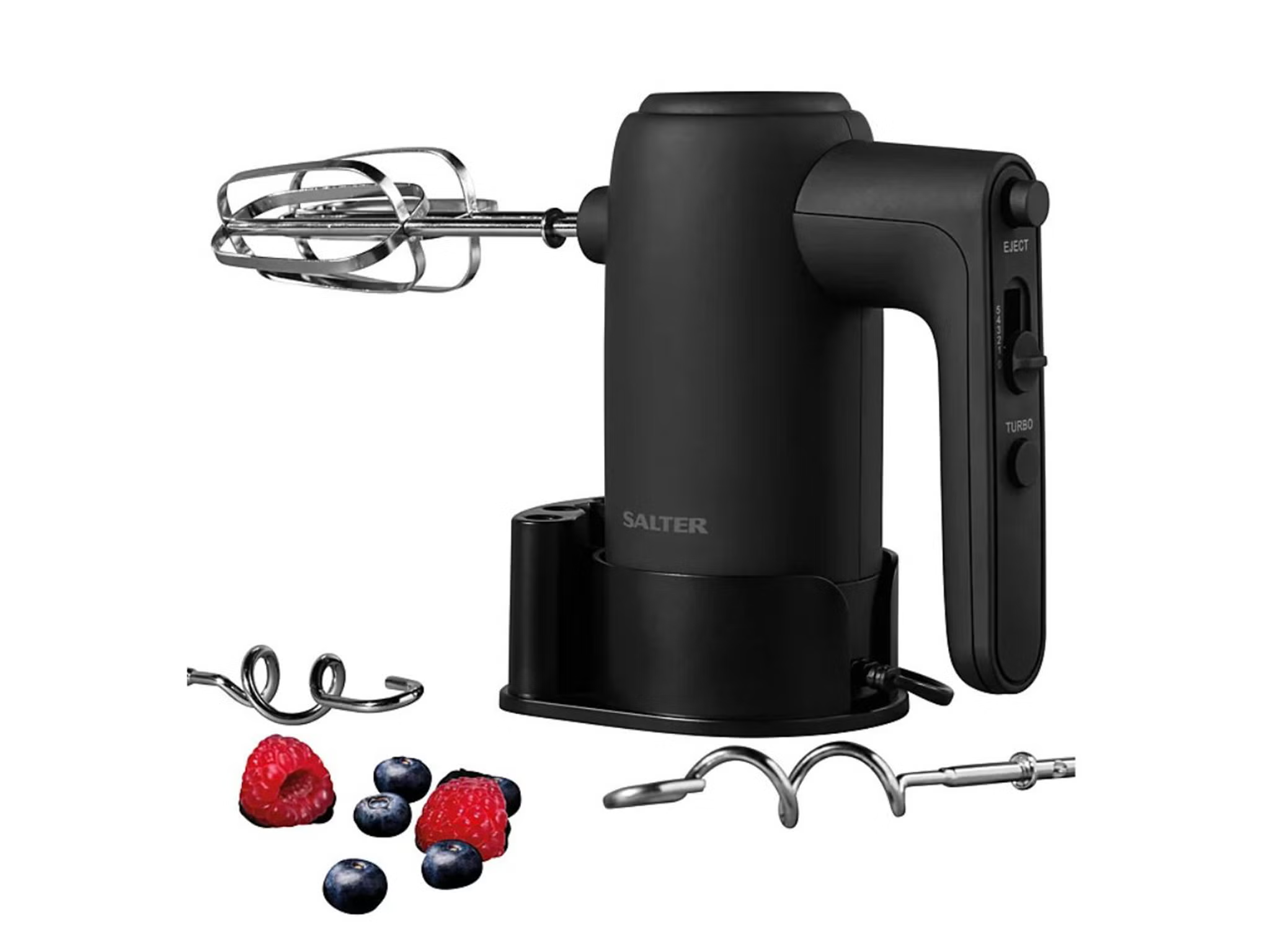
The motor is the heart of any electric hand held mixer, and its power is often measured in watts. While higher wattage generally implies more power, it’s not the only factor. A typical hand mixer can range from 100 watts for lighter tasks up to 450 watts or more for heavier-duty mixing. A robust motor ensures your hand held mixer can tackle denser batters without straining or overheating. It provides the torque needed to cream butter and sugar, mix stiff cookie dough, or whip egg whites into voluminous peaks. Look for a mixer that balances wattage with efficient design, ensuring smooth operation even through challenging ingredients.
The Right Tools for the Job: Beaters, Whisks, and Dough Hooks
The versatility of your hand held mixer largely depends on its attachments. Most models come with a standard set, each designed for specific tasks:
- Standard Beaters: These are your everyday workhorses, ideal for creaming butter and sugar, mixing cake batters, brownie mixes, and lighter cookie doughs. Modern designs often feature an open-center, twisted shape that effectively scrapes the bowl sides and prevents ingredients from clumping. Some even boast silicone coatings for quieter operation and better bowl contact.
- Whisk Attachments (Balloon Whisks): When you need to incorporate air into ingredients, the whisk attachment is your go-to. It excels at whipping egg whites into stiff meringues, creating airy whipped cream, or frothing milk for beverages. The fine wires are designed to maximize air incorporation, resulting in light and fluffy textures.
- Dough Hooks: Shaped like corkscrews, dough hooks are designed for kneading yeast doughs like bread, pizza, or pasta. While a hand held mixer with dough hooks can handle lighter, stickier doughs, it’s important to be realistic about its limitations. Very stiff, heavy bread dough might overwork the motor of a typical hand held mixer. For frequent, heavy-duty bread making, a stand mixer is often more suitable. However, for occasional or smaller batches, dough hooks can save your arms a lot of effort.
Mastering the Mix: Speed Settings and Control
A good hand held mixer offers a range of speed settings, providing precise control over the mixing process. You’ll typically find models with 5, 6, 7, or even 9 speeds.
- Low Speeds (1-2): These are crucial for gently combining dry and wet ingredients without creating a cloud of flour, preventing splatter, and slowly incorporating chunky additions like chocolate chips or nuts.
- Medium Speeds (3-4): Perfect for general mixing tasks, blending batters, and mashing cooked vegetables like potatoes.
- High Speeds (5+): Essential for whipping air into ingredients, such as beating egg whites to stiff peaks, making meringue, or achieving light and fluffy whipped cream.
- Turbo/QuickBurst™ Buttons: Many hand held mixers include a “turbo” or “QuickBurst™” button. This feature provides an instant surge of power at any speed setting, allowing you to power through stubborn lumps or give your mixture an extra boost when needed. It’s like hitting a nitrous button for your mixer!
Choosing Your Culinary Companion: Key Features to Look For
Selecting the perfect hand held mixer involves more than just power; it’s about finding a tool that fits comfortably into your hand and seamlessly into your kitchen routine.
Ergonomics and Comfort
You’ll be holding this device for several minutes at a time, so comfort is paramount. Look for a hand held mixer with an ergonomic grip that feels natural in your hand and doesn’t cause fatigue, even during longer mixing sessions. A lightweight design is also beneficial, reducing strain on your wrist and arm. Some models feature an angled handle for better balance and control.
Storage Solutions
Kitchen space is often at a premium, making compact and smart storage a highly desirable feature. Many modern hand held mixers come with snap-on storage cases that neatly house all attachments and the cord, keeping everything organized and preventing lost beaters. Some even have automatic cord rewind features, adding to their convenience.
Ease of Cleaning
Nobody enjoys a lengthy cleanup after baking. Dishwasher-safe attachments are a huge plus, making post-mixing tidying a breeze. Consider the mixer’s body design as well; smooth surfaces with minimal crevices are easier to wipe clean than those with many ridges or intricate designs.
Corded vs. Cordless
While most hand held mixers are corded, offering consistent power, cordless options are gaining popularity. A cordless hand held mixer provides unparalleled freedom of movement, allowing you to mix anywhere in the kitchen without being tethered to an outlet. However, they typically come with a higher price tag and require recharging, so consider your usage habits when making this choice.
Unleashing Your Hand Mixer’s Potential: A Practical Guide
Getting the most out of your hand held mixer involves a few simple steps and smart techniques. Proper usage not only ensures delicious results but also extends the life of your appliance.
First Steps: Safety and Setup
Before you even plug in your hand held mixer, always start by reading the owner’s manual. Each model has unique features and safety instructions. Ensure the mixer is unplugged and the speed is set to “off” or “low” before inserting or removing any attachments. Match the attachments to their correct slots (some have specific shapes like a circle or octagon). Once the attachments are secure, plug in the mixer. When you’re ready to mix, gently lower the beaters into your bowl, then turn on the power, starting at the lowest speed to prevent splattering.
Mixing Smart: Tips for Perfect Results Every Time
Achieving consistent results with your hand held mixer is all about technique:
- Choose the Right Bowl: Always use a large enough mixing bowl to contain your ingredients and prevent splatter, especially when working with higher speeds. Deep bowls are your friend here.
- Room Temperature Ingredients: For tasks like creaming butter and sugar, ensure your butter (and eggs) are at room temperature. This allows them to incorporate more smoothly and evenly, creating a light and airy texture.
- Add Gradually: When combining dry and wet ingredients, add them gradually. For example, add flour mixtures in small increments, mixing on low speed until just combined before adding more. This prevents overmixing, which can lead to tough baked goods.
- Move the Mixer: Unlike a stand mixer where the bowl rotates, you’ll need to move your hand held mixer around the bowl to ensure all ingredients are evenly incorporated. Tilt the mixer and scrape down the sides of the bowl with a spatula periodically.
- Don’t Overmix: Mixing until just combined is often the goal, especially for batters. Overmixing can develop gluten unnecessarily, leading to a denser, chewier texture.
Cleaning and Maintenance: Keeping Your Mixer in Top Shape
Keeping your hand held mixer clean is vital for hygiene and longevity. After each use, immediately unplug the mixer. Press the eject button to release the attachments. Most beaters, whisks, and dough hooks are dishwasher safe, or can be easily washed by hand with warm, soapy water. Wipe down the motor housing with a damp cloth; never submerge the motor unit in water. Store your hand held mixer and its attachments in a dry place, preferably in its dedicated storage case if it has one. Regular cleaning and careful storage will ensure your hand held mixer is always ready for its next culinary adventure.
More Than Just Mixing: Creative Uses for Your Hand Mixer
While synonymous with baking, the hand held mixer’s utility stretches far beyond cakes and cookies. Its speed and versatility make it a valuable tool for a myriad of everyday kitchen tasks.
Beyond the sweet delights, imagine effortlessly whipping up fluffy mashed potatoes or sweet potato puree. A hand held mixer can achieve that creamy, lump-free consistency in minutes, far quicker and with less effort than mashing by hand. It’s also fantastic for creating smooth, emulsified salad dressings or homemade mayonnaise, bringing restaurant-quality texture to your table. Need to shred cooked chicken for tacos, salads, or casseroles? A hand held mixer can do it surprisingly fast and efficiently, saving you the tedious task of using two forks. From blending smooth gravies and sauces to making light and airy scrambled eggs or omelets, this compact device proves its worth time and again. It truly is a multi-purpose workhorse, ready to assist with both sweet and savory creations, demonstrating that a hand held mixer is an essential tool for any cook looking to elevate their everyday meals.
The Modern Kitchen Essential: Why a Hand Mixer is Indispensable
In today’s fast-paced world, efficiency and convenience are key, and the hand held mixer perfectly embodies these qualities. It’s not just a gadget; it’s a fundamental tool that brings significant advantages to any kitchen.
One of its most compelling benefits is time-saving. Imagine the arm workout required to whip cream or beat eggs by hand to a perfect consistency – the hand held mixer accomplishes these tasks in a fraction of the time, allowing you to focus on other aspects of your meal preparation. Its convenience and portability are unmatched. Lightweight and easy to maneuver, you can take it directly to your mixing bowl on the counter, or even carry it to a different workspace. This portability also means it’s ideal for kitchens with limited counter space, as it can be easily stored away in a drawer or cabinet when not in use.
Furthermore, a hand held mixer ensures consistent outcomes. The controlled power and variable speeds guarantee that ingredients are evenly mixed, batters are smooth, and creams are perfectly whipped, leading to consistently delicious results every time. It removes the guesswork and arm fatigue of manual mixing, giving you professional-level control. Finally, it offers incredible cost-effectiveness. Compared to a more expensive and bulkier stand mixer, a quality hand held mixer provides much of the same functionality for a fraction of the price, making it an accessible upgrade for any aspiring chef or home baker. It’s a smart investment that delivers immense value for its modest footprint.
Expert Insight: A Chef’s Perspective
“The hand held mixer is an unsung hero in many professional kitchens,” says Chef Isabella Rossi, a celebrated pastry chef with decades of experience. “While stand mixers have their place for large-scale production, the agility and precision of a hand held mixer are indispensable for delicate tasks like whipping small batches of meringue, emulsifying a quick hollandaise, or perfecting a light batter. It’s all about control, and a good hand held mixer puts that power right in your hand, allowing you to feel the texture as you mix and adjust on the fly.”
Frequently Asked Questions About Hand Mixers
Can a hand mixer replace a stand mixer?
A hand held mixer can handle many tasks that a stand mixer does, such as whipping cream, beating eggs, and mixing most cake batters and cookie doughs. However, stand mixers are generally more powerful and better suited for heavy-duty tasks like kneading stiff bread dough for extended periods, or for very large batches. For most home cooks, a hand held mixer is sufficient and a more space-saving, affordable option.
What’s the best wattage for a hand mixer?
For everyday tasks like mixing batters and whipping cream, a hand held mixer with 200-250 watts is usually sufficient. If you plan to tackle slightly heavier cookie doughs or occasional light doughs, looking for a model in the 300-450 watt range can provide a bit more power and durability.
How do I prevent splatter when using a hand mixer?
To prevent splatter, always start your hand held mixer on the lowest speed setting when introducing it to ingredients. Gradually increase the speed as the ingredients begin to combine. Using a deep mixing bowl with high sides also helps contain ingredients, and some mixers feature a “slow start” function specifically designed to minimize splashing.
Can I use a hand mixer for bread dough?
Yes, many hand held mixers come with dough hooks and can be used for lighter, stickier bread doughs, pizza dough, or pasta dough. However, for very stiff or large batches of bread dough, a hand held mixer’s motor may be overworked. For frequent or heavy bread making, a stand mixer is generally more robust and effective.
How do I clean hand mixer attachments?
Most modern hand held mixer attachments, including beaters, whisks, and dough hooks, are made from stainless steel and are dishwasher-safe. For best results, consult your specific mixer’s instruction manual. For the motor unit itself, always unplug it and wipe it down with a damp cloth; never immerse it in water.
Elevate Your Everyday with the Hand Held Mixer
From its humble beginnings as a hand-cranked device to the sophisticated electric tool we know today, the hand held mixer has cemented its status as a kitchen essential. It’s a testament to how simple innovations can profoundly impact our daily lives, making cooking and baking more accessible, enjoyable, and efficient. With its versatile attachments, variable speeds, and compact design, a hand held mixer empowers you to tackle a vast array of recipes, from light and airy meringues to rich, dense cookie doughs, all with professional-grade results.
So, whether you’re whipping up a quick weeknight meal or embarking on an ambitious baking project, remember the power and convenience housed in this unassuming appliance. Dive into new recipes, experiment with different textures, and let your hand held mixer be your trusted partner in creating culinary magic. Its value far exceeds its size, proving that sometimes, the best tools truly come in small, powerful packages. Grab your hand held mixer and start mixing up something wonderful today!