Stepping into the world of baking and cooking can feel like an overwhelming journey, especially with countless kitchen gadgets vying for your attention. But if there’s one unsung hero that deserves a permanent spot in every culinary enthusiast’s arsenal, it’s the humble Hand Mixer. Far from being just a basic appliance, a good hand mixer is a game-changer, transforming tedious tasks into effortless joys and ensuring perfectly consistent results every time. Whether you’re a seasoned chef or just starting your baking adventure, understanding the technology, design, and versatile applications of a hand mixer is key to unlocking its full potential.
The Evolution of the Hand Mixer: A Culinary Journey
It’s hard to imagine kitchens without electric mixers today, but these convenient tools haven’t always been around. Electric hand mixers made their grand entrance onto the American culinary scene in the 1960s, quickly becoming a staple in households looking for efficiency and ease in their baking routines. What started as relatively simple devices has evolved into sophisticated machines, boasting advanced motor technology, ergonomic designs, and a variety of attachments tailored for specific tasks. This journey from basic utility to a modern kitchen essential highlights their enduring value and adaptability in the ever-changing landscape of home cooking.
Understanding Your Hand Mixer: Key Technologies and Features
A hand mixer might look straightforward, but beneath its sleek exterior lies a blend of engineering and thoughtful design. Knowing these core elements helps you appreciate its capabilities and make informed choices.
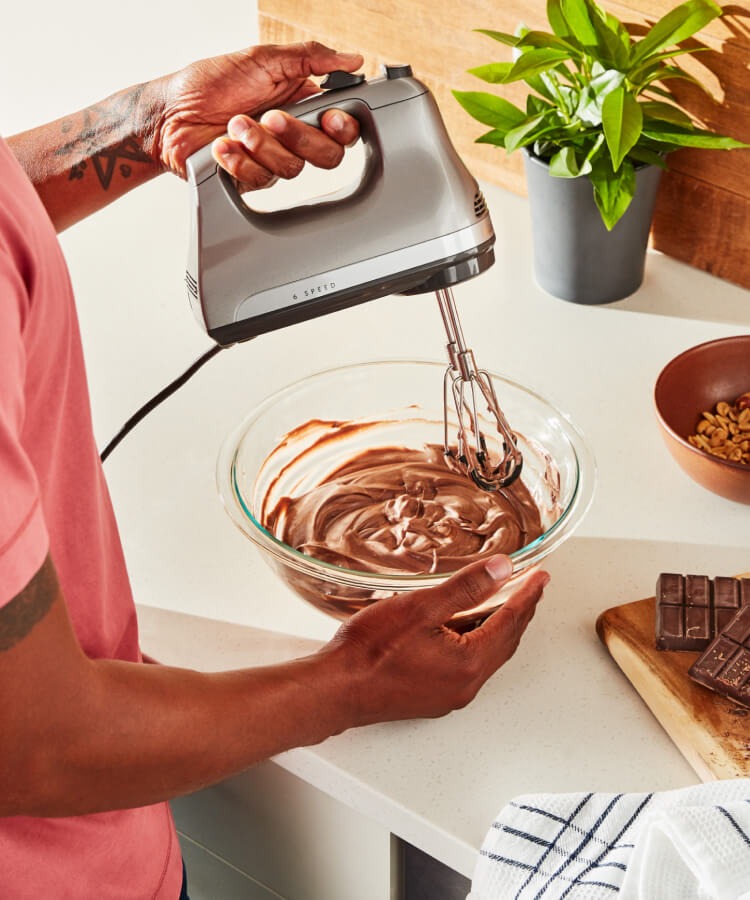
Motor Power: Beyond the Watts
When it comes to motor power, many assume that a higher wattage always equates to a better, more powerful mixer. However, this isn’t always the case. Wattage actually refers to how much power goes into the mixer, not necessarily how much usable power comes out. A mixer with high-quality internal gears might require less wattage to operate efficiently and still deliver robust performance. While some sources suggest that a mixer with at least 200W is ideal for most tasks, many culinary experts find that a hand mixer around 350 watts strikes an excellent balance, offering plenty of muscle for tougher batters without being overkill or indicating inefficient design. Focus on the mixer’s overall performance and feel rather than just a high wattage number.
Beater Design and Attachments
The magic of a hand mixer largely lies in its attachments. Most hand mixers come with a set of standard beaters, perfect for creaming butter and sugar, mixing cake batters, and general blending. But the versatility doesn’t stop there. Many models include additional attachments like:
- Balloon Whisks: These are designed to incorporate more air into ingredients, making them ideal for whipping egg whites to stiff peaks for meringues or transforming heavy cream into fluffy whipped cream.
- Dough Hooks: While a hand mixer won’t tackle heavy bread doughs like a stand mixer, dough hooks are excellent for kneading lighter doughs, such as pizza dough or brioche, in smaller batches.
- Twisted Beaters: Some advanced designs feature twisted beaters that claim to reduce mixing time and offer more efficient incorporation of ingredients, helping you achieve smoother results faster.
Opting for models with dishwasher-safe attachments is a small but significant detail that greatly simplifies cleanup after your baking sessions.
Speed Control: Mastering Your Mix
Precise speed control is crucial for achieving the right consistency in your recipes. Modern hand mixers typically offer multiple speed settings, often ranging from five to nine or even more. The lowest speeds are perfect for gently folding in dry ingredients without creating a cloud of flour or for slowly combining delicate mixtures. As you increase the speed, you gain more power for whisking, beating, and creaming. Many hand mixers also feature a “turbo boost” function, which provides a quick burst of extra power when you need to power through a stubborn lump or ensure a super-smooth finish. Learning to gradually increase the speed from low to high will prevent splattering and give you optimal control over your mixing process.
Ergonomics and Build Quality
A hand mixer is, by definition, held in your hand, so comfort and balance are paramount. Look for models that feel comfortable to grip, with a non-slip handle that doesn’t cause strain during longer mixing tasks. The weight of the hand mixer also plays a significant role; one that’s too heavy can be tiring, while one that’s too light might feel flimsy and hard to control. An ideal weight often hovers around 1.5 pounds (680 grams) without attachments, providing a good balance of stability and manageability. A stable base is another often-overlooked feature, allowing you to rest the mixer on the counter between mixing bursts without it toppling over. Durable materials and robust construction ensure your hand mixer will stand the test of time and countless culinary adventures.
Corded vs. Cordless: The Freedom to Mix
The debate between corded and cordless hand mixers often comes down to personal preference and kitchen setup. Corded hand mixers typically offer consistent, uninterrupted power, making them reliable workhorses for any task. However, the cord can sometimes limit your movement or get in the way. Cordless hand mixers, on the other hand, provide unparalleled freedom, allowing you to mix anywhere in your kitchen without being tethered to an outlet. They are particularly great for kitchens with limited outlets or for bakers who like to move around. While cordless models require charging and might have slightly less sustained power for extremely demanding tasks, their convenience is a major draw for many home cooks.
Unleashing Your Hand Mixer’s Potential: A Practical Guide
Using a hand mixer effectively is about more than just pressing a button; it involves a few best practices to ensure safety, efficiency, and superior results.
Getting Started Safely
Before you even think about plugging in your hand mixer, always ensure it is unplugged and the speed setting is in the “off” or lowest position. This is a crucial safety step. Carefully insert the beaters into the designated slots until they click securely into place. Once the attachments are ready, you can plug in the mixer. When you’re ready to begin mixing, place the beaters into your bowl of ingredients before turning the mixer on. Start at the lowest speed to prevent ingredients from splattering out of the bowl, then gradually increase to your desired speed.
Mastering the Movement
For even and thorough mixing, it’s essential to move your hand mixer continuously around the bowl. Guide the beaters along the sides of the bowl to scrape down any ingredients that cling, and then move towards the center. This ensures that all ingredients are incorporated uniformly, preventing unmixed pockets at the bottom or edges. Observe the consistency of your mixture, stopping when it reaches the desired appearance or texture described in your recipe. When you’re finished, always turn the speed down to low or off before unplugging the mixer and ejecting the attachments.
Cleaning and Maintenance Tips
Proper cleaning and maintenance will extend the life of your hand mixer. Most beaters, whisks, and dough hooks are dishwasher-safe, making cleanup a breeze. For attachments that aren’t dishwasher-safe, wash them immediately after use with warm, soapy water. The body of the hand mixer should never be submerged in water; instead, wipe it clean with a damp cloth to remove any splatters or residue. Ensure all parts are thoroughly dry before storing. For organized storage, some hand mixers come with a snap-on case or a handy canvas bag for attachments, keeping everything together and preventing lost beaters.
Hand Mixer Magic: Creative Uses in Baking and Cooking
The versatility of a hand mixer extends far beyond just making cakes. It’s a multi-talented tool that can assist with a wide array of culinary tasks.
Baking Essentials
For bakers, the hand mixer is indispensable for:
- Creaming Butter and Sugar: This fundamental step for many cakes and cookies is effortless with a hand mixer, creating a light, fluffy, and airy base.
- Whipping Egg Whites: Achieve perfect soft or stiff peaks for meringues, soufflés, or light mousses in minutes.
- Mixing Batters: From pancake batter to muffin mix, a hand mixer ensures a smooth, lump-free consistency.
- Making Frostings and Glazes: Easily combine ingredients for smooth buttercream, creamy ganache, or delicate glazes.
Beyond Baking
Don’t relegate your hand mixer just to sweets! It’s equally adept at savory tasks:
- Mashing Potatoes: Forget manual mashing; a hand mixer makes quick work of creating wonderfully smooth, lump-free mashed potatoes.
- Whisking Dressings and Sauces: Emulsify vinaigrettes, whip up hollandaise, or blend smooth gravies and sauces with ease.
- Preparing Dips: From creamy hummus to cheesy spinach dip, your hand mixer can create smooth, well-combined appetizers.
- Light Doughs: As mentioned, dough hooks are great for small batches of quick bread or pizza dough.
Recipes to Try
With a hand mixer, your culinary repertoire can expand significantly. Imagine whipping up a batch of airy chocolate mousse, a velvety cheesecake, or a towering layer cake with perfectly creamed frosting. You can effortlessly make homemade whipped cream for fruit tarts, prepare fluffy scrambled eggs or omelets, or even mix meatballs for a perfectly uniform texture. The possibilities are truly endless, making it an inspiring tool for everyday meals and special occasions alike.
Why Every Kitchen Needs a Hand Mixer: The Benefits Unpacked
If you’re still debating whether a hand mixer deserves a spot in your kitchen, consider these compelling advantages:
- Time-Saving: It dramatically cuts down on the time and effort required for whisking, beating, and mixing by hand.
- Consistent Results: Electric power ensures uniform mixing, leading to better textures and more reliable outcomes in your recipes.
- Compact & Portable: Unlike bulky stand mixers, hand mixers are lightweight and take up minimal storage space, making them ideal for smaller kitchens or for those who prefer to mix at different workstations.
- Versatile: With various attachments and speed settings, a hand mixer can handle a surprising range of tasks, from delicate whipping to light dough kneading.
- Cost-Effective: Generally more affordable than stand mixers, they offer excellent value for their functionality, providing professional-level mixing without a hefty investment.
Choosing Your Perfect Partner: What to Look For
When you’re ready to invest in a hand mixer, keep these key considerations in mind:
Prioritize a comfortable grip and a balanced weight for ease of use. Ensure it has multiple, distinct speed settings and, ideally, a turbo boost for versatility. Consider the attachments included – standard beaters, a balloon whisk, and dough hooks are a great starter set. Finally, evaluate the motor power, remembering that efficient gear design can be more important than raw wattage.
“A good hand mixer isn’t just about raw power; it’s about control, comfort, and the right attachments that empower you to explore new recipes with confidence,” advises Chef Isabella Rossi, a renowned culinary consultant. “Look for one that feels like an extension of your hand, making every mixing task a pleasure, not a chore.”
FAQ
Q1: What is the ideal wattage for a hand mixer?
A1: While wattage isn’t the sole indicator of quality, a hand mixer between 200 and 350 watts generally provides ample power for most home baking and cooking tasks, ensuring efficient mixing without overworking the motor.
Q2: Can a hand mixer knead bread dough?
A2: A hand mixer, equipped with dough hooks, can effectively knead light doughs like pizza or quick bread dough. However, for heavier, denser bread doughs, a stand mixer is typically a more suitable and powerful choice to avoid straining the hand mixer’s motor.
Q3: How do hand mixers differ from stand mixers?
A3: Hand mixers are compact, handheld, and more affordable, offering portability and direct control, ideal for smaller batches and quick tasks. Stand mixers are larger, stationary, more powerful, and better suited for heavy-duty tasks and large quantities, often with a wider range of accessories.
Q4: What attachments usually come with a hand mixer?
A4: Most hand mixers come with a pair of standard beaters. Many also include a balloon whisk for aeration and dough hooks for kneading lighter doughs, significantly expanding their utility in the kitchen.
Q5: How do I clean my hand mixer?
A5: Always unplug your hand mixer before cleaning. Remove the attachments and wash them, preferably in a dishwasher if they are labeled as dishwasher-safe, or by hand with warm soapy water. Wipe the main body of the mixer with a damp cloth; never submerge it in water.
Conclusion
The hand mixer, a compact yet mighty kitchen tool, stands ready to revolutionize your culinary endeavors. From its fascinating history to its advanced motor technology, clever beater designs, and precise speed controls, every aspect is crafted to bring efficiency and joy to your kitchen. By understanding its capabilities and mastering its use, you unlock a world of creative possibilities in both baking and cooking. Embrace the benefits of this versatile powerhouse – saving time, ensuring consistent results, and offering unmatched convenience. So, go ahead, experiment with new recipes, rediscover old favorites, and let your hand mixer be the reliable partner that helps you whip up delicious memories.