Many home cooks, whether seasoned pros or enthusiastic beginners, often find themselves pondering the versatile world of handheld kitchen appliances. The term “Hand Mixer Blender” sometimes pops up, creating a bit of a culinary conundrum. Is it one super-tool that does it all? Or are we talking about two distinct powerhouses with unique talents? The truth is, while some innovative designs offer multi-functional capabilities, a hand mixer and an immersion blender are fundamentally different tools, each excelling in its own right. Understanding their strengths and specialized applications is key to unlocking a world of culinary possibilities, making your kitchen tasks smoother, faster, and much more enjoyable.
Let’s demystify these essential gadgets and help you decide which one, or perhaps both, belongs in your culinary arsenal.
A Tale of Two Tools: Hand Mixer vs. Immersion Blender
Though both are compact, motorized, and designed to simplify kitchen life, hand mixers and immersion blenders perform entirely different jobs. Think of them as specialized teammates, each bringing a unique skill set to the cooking and baking arena.
What is a Hand Mixer? Your Baking Best Friend
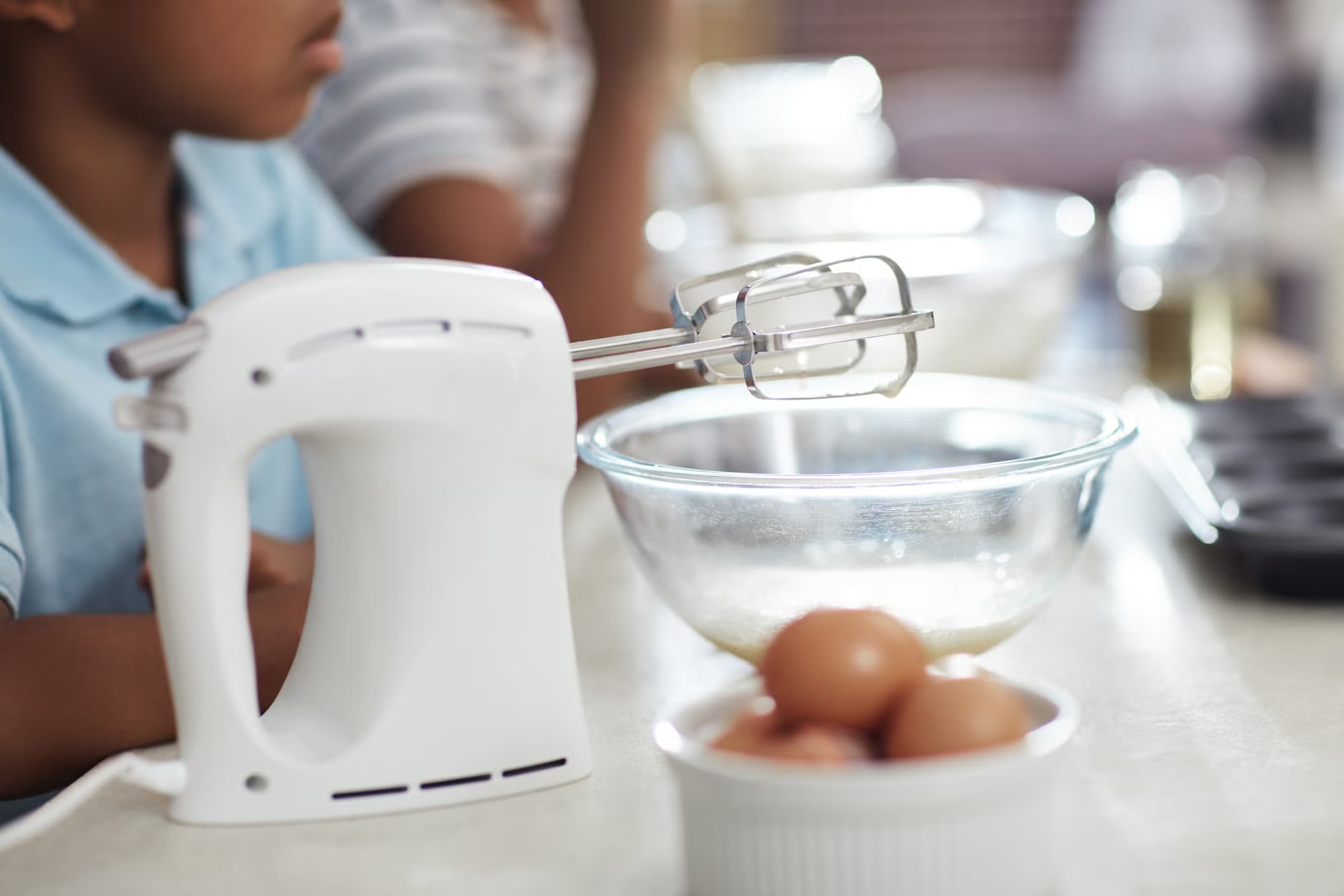
A hand mixer is your go-to companion for all things aeration and combination. It’s built to whip, beat, and mix ingredients, transforming simple components into fluffy, smooth, or evenly combined creations.
Key Features: Hand mixers typically feature a robust motor housed in a handheld unit, with various speed settings that allow for precise control. They come equipped with different attachments: the classic beaters are perfect for creaming butter and sugar or mixing cake batter, while whisk attachments are ideal for whipping egg whites into stiff peaks or creating airy meringues. Some models even include dough hooks for light kneading tasks. The design focuses on ergonomic comfort, ensuring you can maintain a secure grip even during longer mixing sessions.
Best Uses: Hand mixers truly shine in baking. They effortlessly whip up homemade whipped cream, ensuring a light and airy texture. For batters, from delicate pancakes to hearty cookie dough, a hand mixer provides consistent mixing, preventing lumps and thoroughly incorporating ingredients. Beyond baking, they’re fantastic for mashing potatoes, making smooth gravies, or preparing creamy frostings. “A good hand mixer is indispensable for achieving that perfect, consistent texture in your baked goods, from light meringues to dense cookie doughs,” notes pastry chef Elaine Miller.
Evolution: The journey of the hand mixer has seen it evolve from simple manual whisks to powerful electric units with multiple speeds and enhanced ergonomic designs. Modern hand mixers boast features like slow-start functions to prevent splattering, digital displays, and even cordless options for ultimate freedom around the kitchen.
What is an Immersion Blender? The Chef’s Secret Weapon
An immersion blender, often referred to as a hand blender or stick blender, is a streamlined device designed to blend, purée, and emulsify ingredients directly in their container. No more transferring hot liquids to a bulky countertop blender – just immerse and blend!
Key Features: This appliance consists of a long shaft with a protective bell housing a sharp blade at the end. It’s engineered to be submerged into liquids or soft solids. Immersion blenders come with varying motor wattages, offering different levels of power for tough ingredients. Variable speed controls are common, allowing you to fine-tune the consistency of your blend. Many models also include useful attachments such as mini choppers for garlic or nuts, and whisk attachments that can perform some light mixing tasks, adding to their versatility.
Best Uses: Immersion blenders are invaluable for culinary tasks. They are perfect for achieving silky-smooth soups and sauces right in the pot, making creamy pestos, emulsifying homemade mayonnaise or hollandaise, and blending fruit for smoothies directly in a glass. Their ability to blend hot ingredients without transfer is a major time-saver and reduces cleanup. “For consistent, smooth soups and sauces, an immersion blender is a game-changer; it simplifies the process significantly,” says renowned home cook, David Chen.
Evolution: Immersion blenders have become increasingly powerful and versatile. Early models were basic blenders-on-a-stick, but today’s versions offer advanced features like ergonomic grips, pan guards to protect cookware, and a suite of attachments that extend their functionality beyond simple blending. Cordless options are also emerging, providing greater freedom of movement.
Blurring the Lines: Hybrid & Multi-functional Appliances
While hand mixers and immersion blenders serve distinct primary purposes, the market has responded to the desire for versatility by offering appliances that blur the lines. You’ll find immersion blenders that come with whisk attachments, allowing them to perform light whipping tasks like aerating cream or beating eggs. Conversely, some advanced hand mixers, such as the KitchenAid 9 Speed KHM926ER, include an immersion blender rod, effectively turning your mixer into a dual-purpose device for both baking and blending.
These multi-functional tools can be a fantastic space-saving solution for smaller kitchens or for those who occasionally dabble in both blending and mixing but don’t want two separate units. However, it’s important to remember that a hybrid often excels more in one primary function than the other. An immersion blender with a whisk attachment might not be as robust for heavy doughs as a dedicated hand mixer, and a hand mixer with a blender rod might not have the same power or ergonomic design for continuous blending tasks as a dedicated immersion blender. They offer convenience, but dedicated tools often provide superior performance for their specialized tasks.
Choosing Your Kitchen Powerhouse: Hand Mixer, Immersion Blender, or Both?
Deciding which tool is right for you boils down to your primary cooking and baking habits, as well as your kitchen space and budget.
- Assess Your Culinary Focus: Are you a passionate baker who frequently whips up cakes, cookies, and meringues? A dedicated hand mixer will be your best friend. Do you often make homemade soups, sauces, smoothies, or dressings? An immersion blender will transform your meal prep.
- Consider Common Recipes: Think about the dishes you prepare most often. If your weekly menu includes a lot of blending, an immersion blender is a must. If baking is your weekend ritual, a hand mixer is essential.
- Space and Budget: If kitchen space is limited, a multi-functional immersion blender with a whisk attachment could be a smart compromise. If your budget allows, having both dedicated appliances provides maximum flexibility and optimal performance for every task. Many home cooks find that owning both dramatically enhances their efficiency and expands their culinary repertoire.
|
Our Picks for the Best Hand Mixer in 2026
As an Amazon Associate I earn from qualifying purchases.
|
||
| Num | Product | Action |
|---|---|---|
| 1 | Milk Frother Handheld Battery, Electric Foam Maker Frother Wand, Drink Mixer with Stainless Steel Whisk for Coffee, Matcha, Lattes, Cappuccino Black |

|
| 2 | Hamilton Beach 6-Speed Electric Hand Mixer with Whisk, Traditional Beaters, Snap-On Storage Case, 250 Watts, White |
|
| 3 | KitchenAid 5-Speed Ultra Power Hand Mixer |
|
| 4 | KitchenAid 5-Speed Ultra Power Hand Mixer - KHM512, Contour Silver |
|
| 5 | Hamilton Beach 6-Speed Electric Hand Mixer with Whisk, Dough Hooks and Easy Clean Beaters, Powerful 275 Watt Motor, Snap-On Storage Case, White |
|
| 6 | RAFOW Handheld Electric Milk Frother: Rechargeable Frother Wand with Stand, 3 Speeds & Detachable Double Whisk Drink Mixer, Froth Stirrer for Latte, Cappuccino, Cream, Matcha, Dalgona Coffee - White |
|
| 7 | 5-Speed Electric Hand Mixer, 800W Handheld Mixer with Turbo for Baking & Cooking, Kitchen Food Mixer with Storage Case & 5 Stainless Steel Attachments (2 Beaters, 2 Dough Hooks, 2 Whisks)-White |
|
| 8 | KitchenAid 5 Ultra Power Speed Hand Mixer - KHM512, White |
|
| 9 | Powerful 600W Hand Mixer, 5-Speed Electric Hand Held Mixer for Baking, Lightweight Stainless Steel Hand Beaters *2 & Dough Hooks*2 with Eject Button, Kitchen Mixer for Cream, Cookies, Dough-Blue |
|
| 10 | Dough Mixer 8.45 QT Electric Mixer - 660W 6 Speed Large Capacity Kitchen Stand Mixer with Whisk Dough Hook Mixing Beater Household Food Mixer for Baking Cakes Cookie Bread Salad |
|
Mastering Your Handheld Appliances: Tips for Effective Use
Getting the most out of your hand mixer or immersion blender involves a few key techniques.
For Hand Mixers:
- Match Speed to Task: Use low speeds for incorporating dry ingredients to prevent flour clouds. Gradually increase speed for creaming butter and sugar, and use high speeds for whipping egg whites or cream to achieve maximum volume.
- Proper Bowl Size: Use a bowl large enough to prevent splattering, but not so large that the beaters can’t effectively reach all ingredients.
- Cleaning: Most beaters are dishwasher-safe and detach easily. Always clean them promptly to prevent dried-on residue.
For Immersion Blenders:
- Submerge Completely: Always ensure the blade guard is fully submerged in liquids before turning on the blender to prevent splattering.
- Proper Technique: For smooth results, use an up-and-down motion, allowing the vortex to pull ingredients into the blades.
- Safety First: Blades are extremely sharp. Always unplug the blender before attaching or detaching accessories, and be cautious during cleaning.
- Cleaning: The detachable shaft of most immersion blenders can be rinsed under running water or placed in the dishwasher for easy cleanup.
Beyond the Basics: Creative Kitchen Applications
These versatile tools can do more than just their obvious tasks.
Hand Mixer:
- Compound Butters: Easily whip softened butter with herbs, spices, or garlic for gourmet spreads.
- Fluffy Frostings: Create light, airy frostings for cakes and cupcakes.
- Quick Bread Batters: Mix banana bread or muffin batter with ease, avoiding overmixing.
Immersion Blender:
- Homemade Mayonnaise: Achieve perfect emulsification for creamy, fresh mayo in minutes.
- Baby Food: Blend cooked fruits and vegetables into smooth purées for homemade baby food.
- Pesto and Sauces: Create vibrant pestos, marinades, and smooth sauces.
- Frothing Milk: Use it to froth milk for lattes and cappuccinos directly in your mug.
Benefits of Choosing Wisely
Investing in the right handheld appliances brings significant benefits to your kitchen:
- Time-Saving: Both tools dramatically cut down on prep time compared to manual methods.
- Ease of Use: Their compact and ergonomic designs make them simple to operate and store.
- Consistent Results: Achieve professional-quality textures and consistencies with less effort.
- Culinary Versatility: With the right tools, you can confidently tackle a wider range of recipes, from delicate desserts to hearty savory dishes.
Popular Recipes to Try
With Your Hand Mixer:
- Classic Chocolate Chip Cookies
- Light and Fluffy Mashed Potatoes
- Cream Cheese Frosting
- Meringue Kisses
- Whipped Shortbread Cookies
With Your Immersion Blender:
- Creamy Tomato Basil Soup
- Smoothies (Berry Blast, Green Power)
- Homemade Hummus
- Vinaigrette Dressings
- Silky Hollandaise Sauce
Frequently Asked Questions
Can a hand mixer replace an immersion blender?
Not entirely. While a hand mixer excels at whipping and mixing air into ingredients for baking, it lacks the blade power and design to purée hot soups, blend smoothies, or emulsify sauces effectively. It’s best for aerating and combining, not blending liquids.
Can an immersion blender replace a hand mixer?
An immersion blender with a whisk attachment can perform some light mixing tasks, like whipping cream or beating eggs. However, it typically won’t be as efficient or powerful for heavier batters or prolonged mixing as a dedicated hand mixer.
What’s the difference in motor power?
Both tools come with varying motor wattages. Generally, immersion blenders require more power to effectively blend tougher ingredients or create smooth purées, while hand mixers focus on consistent rotation and torque for mixing.
Are attachments interchangeable between brands?
Generally, no. Attachments are typically designed to fit specific models and brands due to unique coupling mechanisms. Always check compatibility before purchasing third-party attachments.
Which is better for small kitchens?
For small kitchens, an immersion blender (especially one with whisk and chopper attachments) might be more versatile, as it can handle several tasks in one compact unit, taking up less storage space than a dedicated hand mixer plus a full-sized blender.
Conclusion
The world of handheld kitchen appliances is rich with tools designed to make your culinary journey a delight. While the term “hand mixer blender” might suggest a single device, understanding the distinct yet complementary roles of the hand mixer and the immersion blender is crucial. Whether you’re a devoted baker needing a powerful mixer or a creative cook relying on a trusty blender for smooth concoctions, choosing the right tool empowers you to achieve professional results with ease. Embrace the power of these versatile gadgets and discover how they can elevate your kitchen creations, saving you time and inspiring countless delicious possibilities.