Are you tired of your old hand mixer struggling with thick cookie doughs or leaving lumps in your batter? If so, you’re likely on a quest for the Most Powerful Hand Mixer, a true kitchen workhorse that can handle anything you throw at it. A hand mixer might seem like a simple tool, but a high-performance model can genuinely revolutionize your baking and cooking, bridging the gap between a simple whisk and a bulky stand mixer. This guide will delve into what makes a hand mixer truly powerful and help you find the perfect robust partner for your kitchen.
The Heart of the Beast: Understanding Hand Mixer Power
When we talk about the “most powerful hand mixer,” what exactly are we referring to? It’s more than just a number on a box; it’s a combination of factors that dictate how effectively and efficiently your mixer performs.
What Exactly Defines “Power” in a Hand Mixer?
At its core, a hand mixer’s power is primarily measured in watts. The wattage indicates how much electrical energy the motor consumes. Generally, a higher wattage suggests a more capable motor, better equipped to handle demanding tasks without straining. Most hand mixers fall in the 200-250 watt range, which is perfectly adequate for everyday tasks like whipping cream or light batters [cite: 1 (search 1)]. However, for tougher jobs, models boasting 300-350 watts or more are often considered truly powerful [cite: 1 (search 1), 3 (search 2), 1 (search 3)].
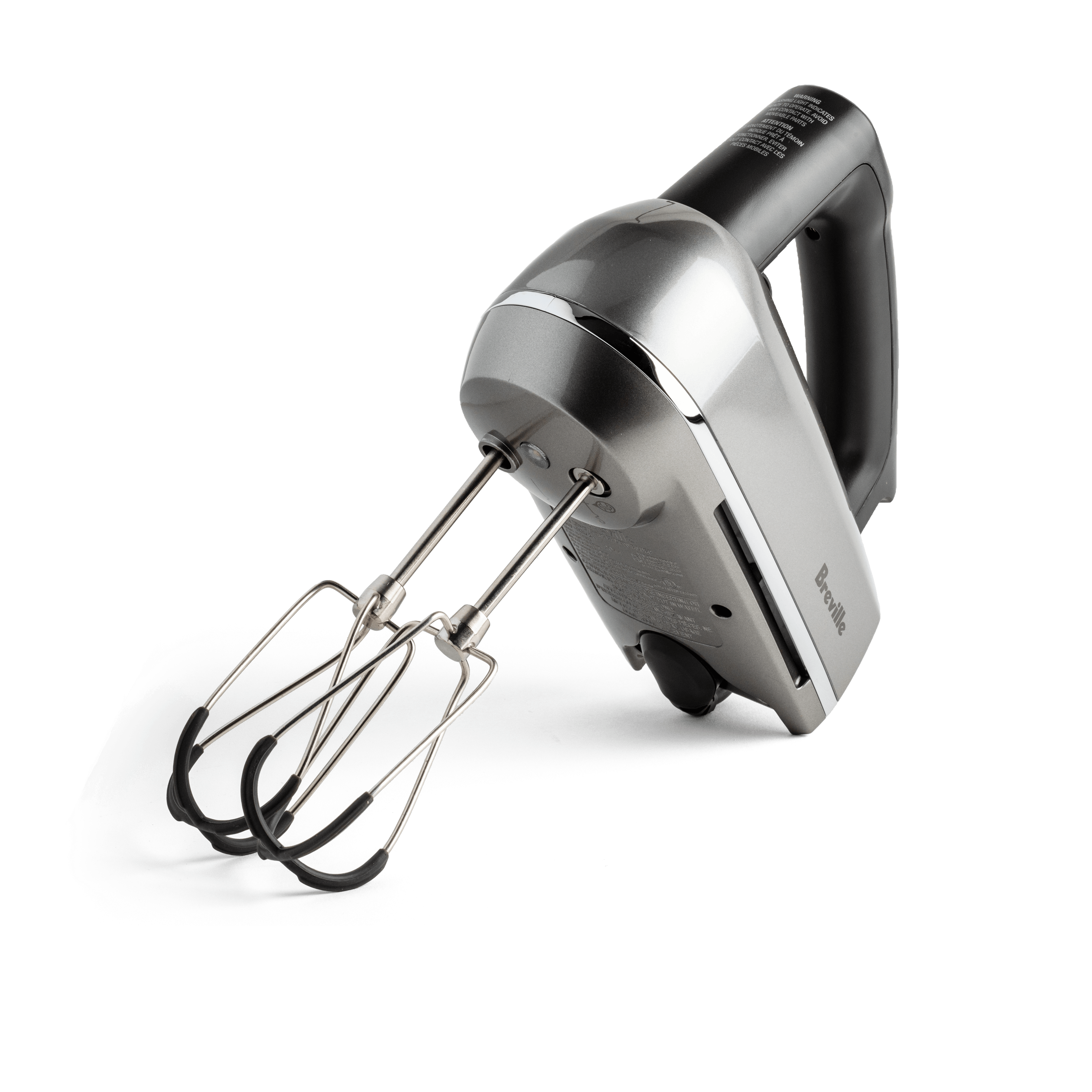
Beyond raw wattage, motor type and internal gearing also play a significant role. A motor designed for efficiency, coupled with well-engineered gears, can deliver impressive torque—the rotational force needed to push through dense ingredients—even if its wattage isn’t the absolute highest.
Debunking the “Higher Watts = Higher Quality” Myth
It’s a common misconception that more watts automatically equate to a better mixer. While higher wattage generally correlates with more power, it’s not the sole indicator of quality or performance [cite: 5 (search 1)]. Dr. Marcus Thorne, an appliance engineer, explains, “While wattage gives you an indication, true power in a hand mixer also comes from efficient motor design and superior gearing. A well-engineered 250-watt mixer can sometimes outperform a poorly designed 350-watt unit, especially at lower speeds where torque is critical.” Some manufacturers use lower wattage motors with superior internal components, meaning less power input is needed to achieve excellent mixing output [cite: 5 (search 1)]. This translates to a more durable and effective machine over the long run.
Ideal Wattage Range for Various Tasks
For light mixing tasks such as beating eggs, whipping cream, or stirring thin batters, a hand mixer with 200-250 watts is usually sufficient [cite: 1 (search 2), 3 (search 2)]. If you frequently tackle thicker cookie doughs, mashed potatoes, or even light bread doughs, aiming for 250-350 watts will provide the necessary muscle [cite: 1 (search 1), 1 (search 3)]. Mixers below 200 watts may struggle with anything beyond the very lightest ingredients, making them little better than a manual whisk [cite: 1 (search 1)].
Beyond Watts: Features that Amplify Power
A powerful motor is just one piece of the puzzle. The best hand mixers combine robust motors with smart features and thoughtful design to deliver an unparalleled mixing experience.
Advanced Motor Technologies
Modern hand mixers are getting smarter. Some models incorporate advanced technologies to optimize performance. For instance, the Breville Handy Mix Scraper features “Beater IQ technology,” which senses the attachment in use and automatically adjusts the speed range to suit the mixing task [cite: 4 (search 1)]. Similarly, the Braun MultiMix boasts “SmartMix technology” and a powerful 350-watt motor, enabling it to handle tough batters with less effort [cite: 3 (search 1)]. These intelligent systems ensure that you get consistent power precisely when and where you need it, preventing motor strain and improving results.
Specialized Attachments
The attachments that come with your hand mixer are crucial to its versatility and ability to handle different power demands.
- Standard Beaters: Essential for most mixing tasks, some high-end beaters are designed with unique twists or silicone coatings. Silicone-coated beaters, like those found on the Breville Handy Mix Scraper, not only protect your bowls but also reduce noise during operation [cite: 1, 4 (search 1)].
- Dough Hooks: These are indispensable if you plan to tackle any kind of dough. While hand mixers aren’t generally recommended for heavy, stiff bread doughs (a task better suited for stand mixers), many powerful models with dough hooks can easily handle lighter doughs for pizza, dinner rolls, or quick breads [cite: 1 (search 2), 3 (search 2), 3 (search 3)].
- Balloon Whisks: Ideal for aerating ingredients like egg whites or whipping cream to stiff peaks, these attachments leverage the mixer’s speed to incorporate air effectively [cite: 1 (search 2)]. The Braun MultiMix, for example, comes with “MultiWhisk” beaters, a hybrid design praised for fast and effective whisking [cite: 3 (search 1), 4 (search 3)].
Precision Speed Control and Turbo Functions
A truly powerful hand mixer isn’t just about raw speed; it’s about controllable power. Look for models with multiple speed settings, typically ranging from 5 to 9 or even more [cite: 1 (search 2), 3 (search 2)]. This allows you to start with a slow speed to prevent splattering—a common frustration with less sophisticated mixers—and gradually increase power as needed [cite: 3 (search 1), 4 (search 3)]. Many powerful mixers also include a “turbo boost” or “QuickBurst” button, providing an extra surge of power for particularly stubborn lumps or to finish off a mixture quickly [cite: 3 (search 2), 4 (search 3)].
Top Contenders for the Most Powerful Hand Mixer
Several models consistently earn high marks for their power and performance, proving their mettle in demanding kitchen tests.
Braun MultiMix Hand Mixer
Often lauded as one of the most powerful hand mixers available, the Braun MultiMix (specifically models like the HM5130 or MultiMix 5) typically boasts a substantial 350-watt motor [cite: 1 (search 1), 3 (search 1)]. This robust wattage, combined with its SmartMix technology and unique MultiWhisk beaters, allows it to effortlessly power through tough batters and make quick work of whipping and mixing [cite: 3 (search 1)]. Its ergonomic design and lightweight build make it surprisingly comfortable to handle despite its power [cite: 1 (search 3)].
Breville Handy Mix Scraper
The Breville Handy Mix Scraper, while often around 240-250 watts, is a prime example of how intelligent design can amplify perceived power [cite: 3 (search 3)]. Its Beater IQ technology intuitively adjusts speed, and its high torque at lower speeds is excellent for dense mixtures [cite: 2 (search 1), 4 (search 1)]. The unique scraper beaters, with their silicone coating, minimize noise and ensure thorough mixing by scraping the sides of the bowl as it works. This mixer consistently earns top scores for handling thick cookie dough and creating fluffy whipped cream with ease [cite: 4 (search 3)].
Cuisinart Power Advantage Plus
The Cuisinart Power Advantage Plus 9-Speed Hand Mixer is another strong contender, typically offering around 220-275 watts of power [cite: 4 (search 3), 5 (search 3)]. It’s renowned for its versatility and consistent performance across a wide range of tasks, from light whipping to mixing dense batters [cite: 2, 4 (search 1)]. Its nine speed settings, including low-start options to prevent splattering, and a convenient snap-on storage case for all attachments make it a favorite among home bakers [cite: 3 (search 1), 4 (search 3)].
Unleashing the Power: How to Use a High-Performance Hand Mixer Effectively
Having a powerful hand mixer is one thing; using it to its full potential is another. Here’s how to make the most of your robust kitchen tool.
Prepping for Heavy-Duty Mixing
Before you even turn on your mixer, ensure your ingredients are at the correct temperature (e.g., room temperature for butter and eggs) for optimal emulsification and consistency. For thick batters or doughs, use a sturdy mixing bowl that can withstand the force, and place it on a non-slip mat to prevent it from moving around. Always attach the correct beaters for the task—dough hooks for dough, whisks for aeration, and standard beaters for general mixing.
Techniques for Doughs, Batters, and Whipping
- For Thick Batters (e.g., cookie dough): Start on the lowest speed to incorporate dry ingredients into wet, gradually increasing the speed as the mixture thickens. The higher torque of a powerful mixer will prevent it from straining, even with chunky add-ins like chocolate chips or nuts [cite: 1 (search 3)]. “For recipes like stiff cookie doughs or dense cake batters, a powerful hand mixer isn’t just a convenience, it’s a necessity,” says Chef Elena Petrova, a renowned pastry chef. “It saves your arm and ensures a perfectly incorporated, smooth mixture every time.”
- For Whipping Cream or Egg Whites: Begin on a low speed to create small bubbles, then steadily increase to medium-high or high speed to incorporate more air and achieve stiff peaks. The quick and efficient action of a powerful mixer can achieve desired consistency in mere minutes [cite: 3 (search 1)].
- For Light Doughs (e.g., pizza or dinner rolls): Use the dough hooks and start on a low speed to bring the ingredients together, then increase to a medium speed. Knead just until the dough comes together and is pliable. Remember, hand mixers are best for light doughs; very dense or large batches of bread dough are still better suited for a stand mixer [cite: 1 (search 2), 3 (search 3)].
Safety and Maintenance Tips
Always unplug your hand mixer before changing attachments or cleaning. Keep your hands, hair, and clothing away from the moving beaters. After each use, detach the beaters and wash them immediately. Most attachments are dishwasher safe, but always check the manufacturer’s instructions. Wipe down the motor housing with a damp cloth. Storing your mixer and its attachments in a dedicated case or a cool, dry place will help prolong its life [cite: 3 (search 2)].
Why You Need a Powerful Hand Mixer in Your Kitchen
A high-performance hand mixer is more than just a gadget; it’s an indispensable ally in the kitchen.
Time-Saving and Efficiency
One of the most immediate benefits is the sheer amount of time you’ll save. Mixing ingredients by hand, especially thick ones, can be an arduous and time-consuming chore. A powerful hand mixer whips, beats, and blends in a fraction of the time, allowing you to move through recipes more quickly and efficiently [cite: 3 (search 2)].
Consistent, Professional Results
Achieving the perfect texture—fluffy meringues, smooth batters, evenly mixed cookie dough—is effortless with a powerful hand mixer. The consistent power and speed ensure that ingredients are thoroughly combined without overworking them, leading to baked goods and dishes with a superior taste and presentation [cite: 3 (search 2)].
Versatility Across Culinary Tasks
From quick weeknight meals to elaborate weekend baking projects, a powerful hand mixer proves incredibly versatile. It can handle everything from aerating delicate egg whites and creaming butter and sugar to making light doughs, mashed potatoes, and even shredding cooked chicken [cite: 1, 1 (search 2)]. Its compact size, compared to a stand mixer, makes it a convenient choice for everyday tasks [cite: 1 (search 2), 3 (search 2)].
Beyond the Basics: Creative Uses for Your Powerful Hand Mixer
Don’t limit your powerful hand mixer to just cakes and cookies. Its robust capabilities open up a world of creative culinary possibilities.
- Making Homemade Butter or Mayonnaise: The sustained power and consistent speed are perfect for emulsifying oil into eggs for a rich, homemade mayonnaise or whipping heavy cream past the whipped stage to make fresh butter.
- Shredding Cooked Meats: With its sturdy beaters, a powerful hand mixer can quickly shred cooked chicken, pork, or beef for tacos, sandwiches, or casseroles, saving you time and effort.
- Emulsifying Dressings and Sauces: Create silky smooth salad dressings, gravies, or sauces that might separate if not mixed thoroughly, thanks to the mixer’s consistent blending action.
- Whipping Up Dips and Spreads: Make light and airy hummus, cream cheese spreads, or even compound butters with herbs and spices, all perfectly smooth and evenly mixed.
Navigating the Choices: What to Consider Before Buying
Choosing the most powerful hand mixer means balancing power with other practical considerations.
Your Typical Cooking Tasks
Honestly assess what you’ll be using the mixer for most often. If it’s primarily light tasks, a moderately powerful mixer will suffice. But if you frequently bake dense cakes, stiff cookie doughs, or dabble in light bread making, investing in a high-wattage model with specialized attachments like dough hooks is a wise decision [cite: 1 (search 2)].
Ergonomics and Comfort
Even the most powerful hand mixer is only as good as its usability. Look for a model with a comfortable, ergonomic grip and a balanced weight. You’ll be holding it for extended periods during intense mixing, so wrist and hand fatigue are real concerns [cite: 1 (search 2), 4 (search 1)]. Many modern designs prioritize user comfort, making even heavy-duty tasks feel less strenuous.
Storage and Accessories
Consider how easily the mixer and its attachments can be stored. Many powerful hand mixers come with snap-on storage cases or dedicated bags, which help keep everything organized and compact [cite: 1, 3 (search 1), 4 (search 3)]. The range and quality of included attachments are also important—more versatile attachments mean more tasks your powerful mixer can handle.
Frequently Asked Questions
Can a hand mixer really knead bread dough?
Yes, a powerful hand mixer equipped with dough hooks can knead lighter doughs like those for pizza, rolls, or quick breads. However, for very heavy, stiff bread doughs, a stand mixer is generally more suitable to avoid straining the hand mixer’s motor over time [cite: 1 (search 2), 3 (search 3)].
What wattage is best for heavy batters?
For heavy batters like thick cookie doughs or dense cake mixes, look for a hand mixer with at least 250 watts, ideally 300-350 watts or higher [cite: 1 (search 1), 3 (search 2)]. This ensures sufficient power to mix ingredients thoroughly without slowing down.
How do I prolong the life of my powerful hand mixer?
To extend its lifespan, always follow the manufacturer’s cleaning instructions, avoid overworking the motor with overly dense or large batches, and store it properly in a cool, dry place [cite: 3 (search 2)]. Regular maintenance and using the correct speed settings for tasks also help.
Are cordless hand mixers powerful enough?
Cordless hand mixers have come a long way, and many are quite capable for everyday tasks. However, they generally have lower wattages and shorter continuous run times compared to their corded counterparts. For truly heavy-duty, sustained mixing, a corded powerful hand mixer remains the top choice.
Conclusion
Choosing the most powerful hand mixer means investing in a kitchen tool that promises efficiency, versatility, and consistently exceptional results. By understanding the interplay of wattage, motor technology, specialized attachments, and thoughtful design, you can confidently select a robust hand mixer that transforms your culinary endeavors. So go ahead, unleash the power, experiment with new recipes, and enjoy the effortless mastery that a high-performance hand mixer brings to your kitchen.