Stepping into the world of serious baking or cooking often brings with it the realization that some tasks demand more than just a whisk and elbow grease. This is where a Professional Hand Mixer truly shines, transforming tedious mixing jobs into effortless culinary adventures. For anyone looking to level up their kitchen game, understanding what makes a hand mixer “professional” is key to unlocking consistent, high-quality results in every dish.
A Brief History and the Evolution of Hand Mixers
The journey of the hand mixer began in the late 19th century, a revolutionary step forward from manual whisks and beaters. Early designs were rudimentary, often hand-cranked devices that still required significant effort. Fast forward to the mid-20th century, and electric hand mixers began to appear, quickly becoming a staple in American kitchens. These early models offered basic speeds and functionality, a huge leap but still far from today’s sophisticated machines.
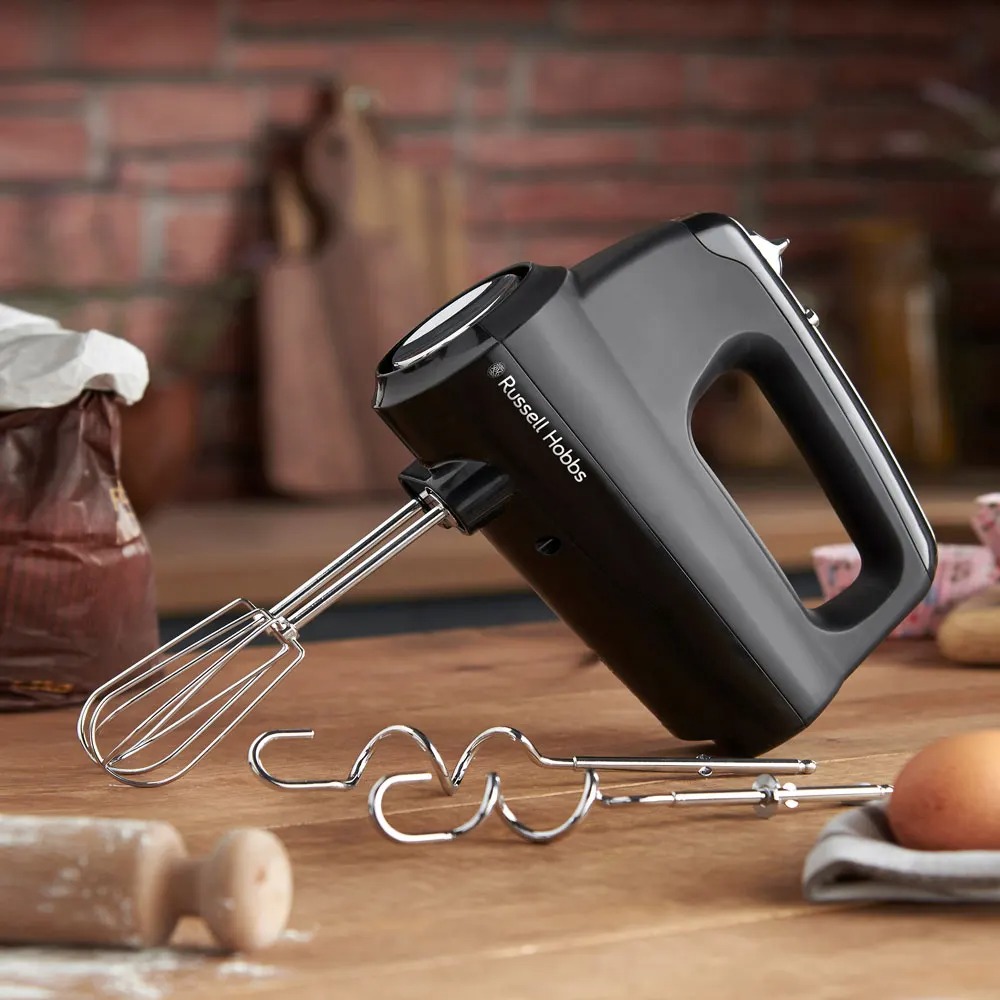
Over decades, technological advancements in motor design, materials science, and ergonomic engineering have propelled the hand mixer from a simple convenience tool to a powerful, precise instrument. Today’s professional hand mixer embodies this evolution, boasting features that cater to the exacting demands of seasoned home cooks and culinary experts alike, offering a blend of power, control, and versatility that early inventors could only dream of.
What Defines a Professional Hand Mixer?
It’s easy to spot a basic hand mixer, but what sets a professional hand mixer apart? The distinction lies in a combination of robust components, intelligent design, and superior performance.
The Heart of the Beast: Motor Technology
At its core, a professional hand mixer is defined by its motor. While standard models might hover around 150-200 watts, a truly professional unit often boasts a motor with 200 to over 350 watts of power. This higher wattage isn’t just a number; it translates directly into the ability to tackle dense doughs, stiff batters, and large quantities of ingredients without straining or overheating. Look for mixers that offer automatic feedback, meaning they sense when more power is needed and adjust accordingly, ensuring smooth operation through thick and thin.
Precision in Motion: Beater Design and Speed Control
The quality and design of the beaters are paramount. Professional hand mixers typically come with robust, often stainless steel, beaters, and sometimes even silicone-coated ones that protect your bowls and efficiently scrape the sides. But it’s the speed control that truly gives you mastery over your mix. Expect anywhere from 5 to 9+ speeds, including crucial “Smooth Start” or low-speed settings to prevent splattering flour or liquids at the beginning of a task. A “Turbo Boost” feature is also a common professional touch, providing a quick burst of extra power to get through stubborn lumps.
Ergonomics and Durability: Built for the Long Haul
A professional hand mixer isn’t just powerful; it’s also designed for comfort and longevity. An ergonomic handle that fits comfortably in your hand is essential for extended mixing sessions, reducing fatigue. These mixers are built with durable materials, often featuring a sturdier housing and high-quality internal components that are meant to withstand frequent, demanding use in a bustling kitchen environment.
Types of Professional Hand Mixers and Their Key Features
When exploring professional hand mixers, you’ll encounter a range of designs, each with features tailored to different needs.
- High-Power Corded Models: These are the workhorses, offering maximum consistent power for heavy-duty tasks. They often come with the widest range of speeds and attachments.
- Cordless Hand Mixers: Gaining popularity, cordless models offer unparalleled freedom of movement. While historically less powerful, modern cordless professional hand mixers are closing the gap, providing ample power for many tasks, often sustained by robust battery technology.
- Specialized Attachments: Beyond standard beaters, many professional models include:
- Dough Hooks: For kneading lighter doughs like pizza crust or dinner rolls. While not a complete replacement for a stand mixer for heavy bread dough, they are incredibly useful.
- Balloon Whisks (or Chef’s Whisks): Designed for aerating ingredients, perfect for whipping cream, egg whites, or light meringues to perfection. Some innovative designs even combine whisk and beater functions.
- Scraper Beaters: These beaters often have silicone edges that continuously scrape the bowl as you mix, reducing the need to stop and manually scrape down the sides.
- Storage Solutions: Professional hand mixers often feature smart storage, such as snap-on cases for attachments and cords, keeping your kitchen tidy and organized.
For example, models like the Braun MultiMix 5 are celebrated for their “MultiWhisk” beaters and SmartMix technology, which deliver power with less effort due to their 350-watt motor. The Cuisinart Power Advantage Plus 9-Speed Hand Mixer is another favorite, boasting a 220-watt motor with a SmoothStart feature and Automatic Feedback to manage heavy loads.
Mastering Your Professional Hand Mixer: An Effective Usage Guide
Getting the most out of your professional hand mixer means understanding how to use it effectively and safely.
- Read the Manual: This might sound obvious, but different mixers have unique features and recommendations. Your manual is your best friend.
- Choose the Right Attachment:
- Beaters: For general mixing, creaming butter and sugar, mixing batters (cakes, cookies).
- Dough Hooks: For kneading light to medium doughs.
- Whisk: For whipping air into egg whites, cream, or light batters.
- Start Slow, Then Increase Speed: Always begin mixing on the lowest speed to prevent ingredients from flying out of the bowl. Gradually increase the speed as the ingredients combine and the mixture thickens.
- Move the Mixer: Unlike a stand mixer, you’re the one moving the hand mixer. Move it in circular motions, ensuring all ingredients from the bottom and sides of the bowl are incorporated.
- Don’t Overmix: Overmixing can lead to tough baked goods. Mix only until ingredients are just combined or reach the desired consistency.
- Clean Immediately: After use, eject the attachments and clean them and the mixer body. Most attachments are dishwasher-safe, but always check the manufacturer’s instructions. Wipe the mixer unit with a damp cloth.
Tips, Tricks, and Creative Applications with Your Professional Hand Mixer
Your professional hand mixer is more versatile than you might think. Here are some ways to expand its utility:
- Beyond Baking: Don’t limit it to cakes and cookies! Use your mixer for:
- Fluffy Mashed Potatoes: Achieve perfectly smooth, lump-free mashed potatoes in minutes.
- Homemade Whipped Cream: Far superior to store-bought, easily whipped to perfection.
- Quick Sauces and Dressings: Emulsify vinaigrettes, mayonnaise, or hollandaise.
- Shredding Cooked Chicken: Use the beaters on cooked chicken breasts for quick shredded chicken for tacos or salads.
- Preventing Splatter: Use a deep bowl, start on the lowest speed, and consider placing a kitchen towel around the mixer and bowl as a splash guard.
- Checking Consistency: Many professional models have a pause button, allowing you to quickly check the consistency of your batter or dough without losing your speed setting. Some even have a built-in light to illuminate your bowl.
The Benefits of Investing in a Professional Hand Mixer
Investing in a high-quality professional hand mixer offers significant advantages that justify the cost:
- Time-Saving Efficiency: Powerful motors and efficient beaters cut down mixing time dramatically, freeing you up for other kitchen tasks.
- Consistent, Superior Results: The precision speed control and robust power ensure ingredients are uniformly mixed, leading to consistently better textures and flavors in your culinary creations.
- Unmatched Versatility: With a range of attachments, a professional hand mixer can handle everything from delicate meringues to hearty cookie doughs, making it a true all-rounder in the kitchen.
- Ease of Use and Portability: Compared to bulky stand mixers, hand mixers are lightweight and portable, easy to maneuver, and simple to store, making them ideal for smaller kitchens or for tasks requiring mobility.
- Durability and Longevity: Built with quality materials, these mixers are designed to last, offering reliable performance for years to come.
As culinary expert Chef Isabella Rossi often says, “A truly professional hand mixer isn’t just a convenience; it’s an extension of your culinary hand, enabling precision and power that elevates every dish you create.”
Popular Recipes and Culinary Creations Enhanced by a Professional Hand Mixer
Unlock your inner chef with these delicious recipes made easier and better with a professional hand mixer:
- Classic Chocolate Chip Cookies: Achieve that perfect creamy butter and sugar base, followed by a well-incorporated dough.
- Fluffy Vanilla Bean Cake: Ensure light, airy batter with consistent texture.
- Silky Smooth Buttercream Frosting: Whip butter and powdered sugar to an incredibly smooth, spreadable consistency.
- Lemon Meringue Pie: Create cloud-like, stiff-peaked meringue with ease.
- Homemade Pizza Dough: Use dough hooks for a quick and easy kneading process for lighter, chewier crusts.
- Rich Chocolate Mousse: Gently fold in aerated egg whites or whipped cream to create a decadent, airy dessert.
Frequently Asked Questions (FAQ)
What is the primary difference between a home and a professional hand mixer?
A professional hand mixer typically features a more powerful motor (often 200-350+ watts), a wider range of precise speed settings, more robust and specialized attachments, and a more durable, ergonomic design built for frequent, demanding use compared to a standard home model.
How much wattage should a professional hand mixer have?
For truly professional performance, look for a hand mixer with at least 200 to 250 watts of power. For tougher doughs and larger batches, models with 300 watts or more, like the 350-watt Braun MultiMix, offer significantly enhanced capability and efficiency.
What attachments are essential for a professional hand mixer?
Essential attachments include sturdy beaters for general mixing, a balloon whisk for aerating ingredients like egg whites and cream, and dough hooks for kneading lighter doughs. Some professional models also include unique scraper beaters or blending rods for added versatility.
Can a hand mixer replace a stand mixer for professional use?
While a professional hand mixer is incredibly versatile and powerful for many tasks, it generally cannot fully replace a stand mixer for heavy-duty, prolonged kneading of dense bread doughs or very large batches. However, for most everyday baking and cooking, it performs exceptionally well and offers greater portability.
How do I clean and maintain my professional hand mixer?
Always unplug your hand mixer before cleaning. Eject the attachments (most are dishwasher-safe) and clean them according to the manufacturer’s instructions. Wipe the main motor unit with a damp cloth, ensuring no liquids enter the ventilation slots. Store the mixer and its attachments in a cool, dry place, ideally using a dedicated storage case if provided.
Conclusion
The professional hand mixer is more than just a kitchen gadget; it’s an indispensable tool for anyone serious about their culinary pursuits. With its advanced motor technology, versatile attachments, precise speed control, and ergonomic design, it empowers you to achieve professional-level results right in your own kitchen. Whether you’re whipping up a delicate meringue, creaming butter for a decadent cake, or preparing a batch of cookies, a professional hand mixer saves time, ensures consistency, and unlocks a world of creative possibilities. So, embrace the power and precision, and let your professional hand mixer be the cornerstone of your next culinary masterpiece.