Ah, the Small Hand Held Mixer. Often overlooked, yet an indispensable hero in countless kitchens, especially for those who cherish efficiency without sacrificing precious counter space. If you’ve ever dreamt of effortlessly whipping up a batch of cookies, perfecting a fluffy meringue, or blending a smooth batter without the bulk of a stand mixer, then you’re about to discover your new best friend. These compact powerhouses are engineered to tackle a surprising array of culinary tasks, making baking and cooking more accessible and enjoyable for everyone, from novice bakers to seasoned home cooks. A small hand held mixer offers a unique blend of convenience, versatility, and power, proving that great things truly do come in small packages.
The Evolution of Hand Mixers: From Whisk to Powerhouse
The journey of the hand mixer is a fascinating one, mirroring the broader progression of kitchen technology designed to ease the burden of manual labor.
Early Innovations: Manual to Mechanical
For centuries, mixing was a strenuous affair, relying on the sheer force of human hands and simple whisks. Think of countless hours spent manually beating eggs for soufflés or butter and sugar for cakes. The introduction of rudimentary mechanical hand-cranked mixers in the late 19th and early 20th centuries was a game-changer. These early models, while still requiring manual effort, vastly improved efficiency, allowing for lighter, more consistent results than ever before. They laid the groundwork for the electric revolution that was soon to come.
Modern Marvels: Compact Power
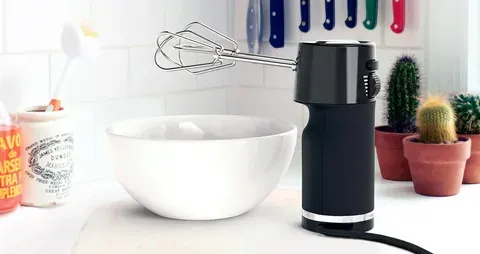
The advent of electricity truly transformed the kitchen, bringing forth the first electric hand mixers. What started as relatively bulky, heavy appliances has, through decades of innovation, evolved into the sleek, lightweight, and surprisingly powerful small hand held mixer we know today. Modern designs focus on ergonomic comfort, varied speed settings, and specialized attachments, making them not just functional but also a joy to use. Today’s small hand held mixer embodies a perfect blend of historical ingenuity and contemporary design, offering impressive capabilities in a form factor that fits seamlessly into any kitchen.
Why a Small Hand Held Mixer Deserves a Spot in Your Kitchen
You might wonder if a small hand held mixer is truly necessary, especially if you already own other kitchen gadgets. The answer is a resounding yes, and here’s why this compact tool is a must-have.
Space-Saving Design
This is perhaps the most immediate and appreciated benefit. In an era where kitchen real estate is a premium, particularly in apartments or smaller homes, a small hand held mixer offers high utility without demanding significant storage space. It can easily tuck away into a drawer, a small cabinet, or even hang on a hook, keeping your countertops clear and uncluttered. Its compact footprint makes it ideal for minimalist kitchens or anyone who values an organized culinary environment.
Portability and Convenience
Unlike its larger, stationary stand mixer counterpart, a small hand held mixer is incredibly portable. This means you’re not tethered to a specific spot in your kitchen. Need to mix ingredients right on the stove? No problem. Want to bring your mixer to a friend’s house for a baking session? Easy. This freedom of movement makes your cooking process much more flexible and convenient. Its lightweight nature also means less strain on your arms during longer mixing tasks.
Versatility for Everyday Tasks
Don’t let the “small” in small hand held mixer fool you into thinking it’s limited in its capabilities. These mixers are surprisingly versatile, capable of handling a wide range of tasks that often arise in daily cooking and baking. From whipping up a quick batch of scrambled eggs to creating a velvety smooth gravy, its utility extends far beyond just desserts. It’s the perfect tool for when you need a powerful mix without the fuss of setting up a larger appliance.
Decoding Small Hand Held Mixer Features: What Matters Most
When choosing a small hand held mixer, it’s not just about picking the prettiest one. Several key features contribute to its performance, ease of use, and durability. Understanding these will help you make an informed decision.
Motor Power and Efficiency
The heart of any electric mixer is its motor. For a small hand held mixer, power is typically measured in watts. While you won’t need the industrial strength of a stand mixer, a motor in the range of 200-300 watts is usually sufficient for most home baking tasks, such as whipping cream, beating eggs, and mixing cake batters. Higher wattage often translates to more consistent performance, especially when dealing with slightly thicker mixtures, and can extend the life of your appliance by reducing strain on the motor. Look for models that offer efficient power delivery, meaning they can maintain speed under load.
Beater Design and Attachments
The type and quality of attachments play a significant role in the mixer’s versatility. Most small hand held mixer models come with standard beaters for general mixing. However, many also include:
- Dough Hooks: For kneading small batches of dough for breads or pizzas. While not suitable for heavy-duty dough, they are perfect for lighter doughs.
- Whisks (Balloon Whisks): Excellent for incorporating air into mixtures, ideal for whipping egg whites, cream, or making light batters.
- Specialty Beaters: Some brands offer unique designs for specific tasks, like aerating or scraping bowls.
Ensure the attachments are made of durable, rust-resistant material, preferably stainless steel, and are easy to attach and detach.
Speed Settings and Control
A good small hand held mixer should offer multiple speed settings, typically ranging from 3 to 9 or even more.
- Low Speeds: Essential for gradually incorporating dry ingredients, preventing flour clouds, and gently folding delicate mixtures.
- Medium Speeds: Ideal for general mixing of batters and light doughs.
- High Speeds: Crucial for whipping air into egg whites or cream, achieving stiff peaks and fluffy textures.
Look for models with a clear, easy-to-use speed selector, ideally one that allows for gradual acceleration to prevent splattering. Some advanced models even feature a “soft start” function.
Ergonomics and Weight
Since you’ll be holding this appliance, comfort is key. A lightweight design (typically under 3 pounds) reduces fatigue during extended use. The handle should feel comfortable in your hand, offering a secure grip. Consider the balance of the mixer as well; it should feel stable and not top-heavy. Controls should be intuitively placed and easy to operate with one hand.
Cord Length and Storage
While often overlooked, the cord can impact convenience. A sufficiently long cord (around 5-6 feet) provides flexibility in where you can use your mixer. Some models offer retractable cords or cord clips for neat storage, which can be a small but significant advantage for maintaining an organized kitchen.
Mastering Your Small Hand Held Mixer: Tips and Tricks
Getting the most out of your small hand held mixer involves a few simple techniques that can elevate your culinary results.
Pre-Mixing Dry Ingredients
Before introducing any liquid, always whisk your dry ingredients together thoroughly. This ensures even distribution of leavening agents, salt, and spices throughout your batter or dough, leading to a more consistent final product. This simple step prevents overmixing once the wet ingredients are added, which can lead to tough baked goods.
Starting Low, Going Slow
When you first begin mixing, especially with dry ingredients, start on the lowest speed setting. This prevents ingredients from flying out of the bowl and creating a messy countertop. Gradually increase the speed as the ingredients begin to combine and form a cohesive mixture. This slow and steady approach gives you greater control and better incorporation.
Proper Bowl Selection
Choose a mixing bowl that is appropriately sized for your ingredients. A bowl that is too small will lead to splattering, while one that is too large can make it difficult for the beaters to reach and combine all ingredients effectively. Stainless steel or ceramic bowls with high sides are often preferred as they are sturdy and minimize splashing.
Cleaning and Maintenance
After each use, unplug your small hand held mixer immediately. Remove the beaters and wash them by hand or in the dishwasher, depending on manufacturer instructions. Wipe down the mixer body with a damp cloth, ensuring no food particles accumulate in crevices. Proper cleaning not only maintains hygiene but also extends the life of your appliance. Always ensure the mixer is completely dry before storing it.
Creative Culinary Uses: Beyond the Basics
The utility of a small hand held mixer extends far beyond just whipping up simple batters. Its versatility opens up a world of culinary possibilities.
Whipping Cream and Egg Whites
This is where a small hand held mixer truly shines. Achieving perfectly stiff peaks for meringues, soufflés, or light-as-air whipped cream is effortless. The continuous, consistent motion of the beaters incorporates air efficiently, yielding superior volume and texture compared to manual whisking. For best results, ensure your cream and eggs are chilled, and your bowl and beaters are clean and free of grease.
Batter Up! Cakes, Pancakes, and Waffles
Whether you’re making a rich chocolate cake, fluffy pancakes for Sunday brunch, or crispy waffles, your small hand held mixer is the ideal tool. It quickly and thoroughly blends wet and dry ingredients, ensuring a smooth, lump-free batter every time. This consistency is key to achieving a uniform rise and a tender crumb in your baked goods.
Smooth Sauces and Dressings
Beyond baking, a small hand held mixer is fantastic for emulsifying dressings like vinaigrettes or creating smooth, lump-free gravies and sauces. It can effortlessly combine oil and vinegar, or thicken a béchamel sauce, saving you from tedious whisking and potential arm strain.
Quick Frostings and Glazes
Need a quick frosting for cupcakes or a glaze for your bundt cake? Your small hand held mixer makes short work of it. It easily creams butter and powdered sugar, creating airy, smooth frostings in minutes. This means fresh, homemade treats are always within reach.
Choosing Your Perfect Small Hand Held Mixer: A Buyer’s Guide
Navigating the array of options can be daunting, but finding the ideal small hand held mixer for your needs doesn’t have to be.
Consider Your Needs
Before you start shopping, think about what you’ll primarily use your mixer for. Are you mostly whipping cream and eggs, or do you plan to tackle lighter doughs? Your intended use will guide your choice in terms of motor power, number of speed settings, and included attachments. If you’re an occasional baker, a basic model might suffice. For more frequent or varied tasks, investing in a slightly more robust model with diverse attachments would be wise.
Set Your Budget
Small hand held mixers vary widely in price. Establishing a budget beforehand will help narrow down your options. Remember, a higher price doesn’t always guarantee the best fit for your needs, but it often correlates with better build quality, more features, and a longer warranty. It’s about finding the best value within your comfortable price range.
Read Reviews
Once you have a few models in mind, delve into customer reviews and expert opinions. Look for consistent feedback on performance, durability, ease of cleaning, and noise level. Pay attention to comments regarding specific tasks you plan to perform. Real-world experiences from other users can provide invaluable insights that specifications alone might not reveal. As renowned culinary gadget expert, Chef Anya Sharma, once stated, “The true test of a small hand held mixer isn’t just its wattage, but how it feels in your hand and how consistently it performs under everyday kitchen pressures.” This emphasizes the importance of balancing specifications with user experience.
Frequently Asked Questions
Understanding the common queries surrounding these handy appliances can further empower your decision-making.
Q: What tasks are small hand held mixers best for?
A: Small hand held mixers excel at lighter tasks such as whipping cream and egg whites, mixing cake and pancake batters, creating frostings and glazes, and preparing smooth sauces and dressings. They are ideal for quick jobs and small to medium batches.
Q: Can a small hand held mixer replace a stand mixer?
A: While a small hand held mixer is incredibly versatile for many tasks, it generally cannot fully replace a stand mixer for heavy-duty jobs like kneading large quantities of stiff bread dough or mixing very thick cookie doughs consistently over long periods. It’s best viewed as a complementary tool, perfect for smaller, more frequent tasks.
Q: How do I know how powerful a small hand held mixer should be?
A: For most home baking and cooking needs, a small hand held mixer with a motor between 200 and 300 watts is sufficient. If you anticipate frequently mixing slightly thicker batters or using dough hooks, aiming for the higher end of this range will provide more consistent performance and durability.
Q: Are all attachments interchangeable between different brands?
A: Generally, attachments are not interchangeable between different brands or even different models within the same brand. Each mixer is designed with specific attachment mechanisms. Always use the attachments provided with your mixer or compatible ones explicitly recommended by the manufacturer.
Q: What’s the best way to clean my hand mixer?
A: The best way to clean your hand mixer is to immediately unplug it after use, remove the beaters (which are usually dishwasher-safe or easily hand-washed), and then wipe down the main body with a damp cloth. Avoid submerging the motor housing in water to prevent electrical damage.
Conclusion
The small hand held mixer is more than just another kitchen gadget; it’s a testament to how intelligent design can bring immense value and convenience to your culinary adventures. From its humble beginnings as a manual tool to its current form as a compact powerhouse, it has consistently adapted to the needs of the home cook. Whether you’re a baking enthusiast with limited space, a busy parent looking for quick meal solutions, or simply someone who appreciates efficiency, a small hand held mixer offers unparalleled versatility, ergonomic comfort, and surprising power. So, embrace this compact companion, experiment with new recipes, and discover how this little giant can transform your kitchen experience. Happy mixing!