In the bustling world of modern kitchens, where culinary dreams take flight, the hand mixer often remains an unsung hero. Compact, versatile, and surprisingly powerful, it’s the go-to tool for countless home bakers and chefs. If you’re looking to target a hand mixer that perfectly fits your needs, whether you’re whipping up a delicate meringue or tackling a batch of hearty cookie dough, understanding its nuances is key. This comprehensive guide from MixerPro will equip you with all the knowledge you need to select and utilize this indispensable kitchen gadget.
The Evolution of Hand Mixers: A Culinary Journey
Before electric hand mixers became a kitchen staple, whipping and beating ingredients was a labor-intensive chore, often involving manual whisks and strong arm muscles. The advent of electric mixers in the early 20th century revolutionized baking, but it wasn’t until the 1960s that the portable electric hand mixer gained widespread popularity. Suddenly, home cooks could enjoy the benefits of mechanized mixing without the bulk or cost of a stand mixer. This innovation democratized baking, making once-daunting recipes accessible to everyone and allowing for more creative freedom in the kitchen. From simple, single-speed models to today’s feature-rich digital versions, the hand mixer has continually evolved, becoming more efficient, comfortable, and specialized to meet diverse culinary demands.
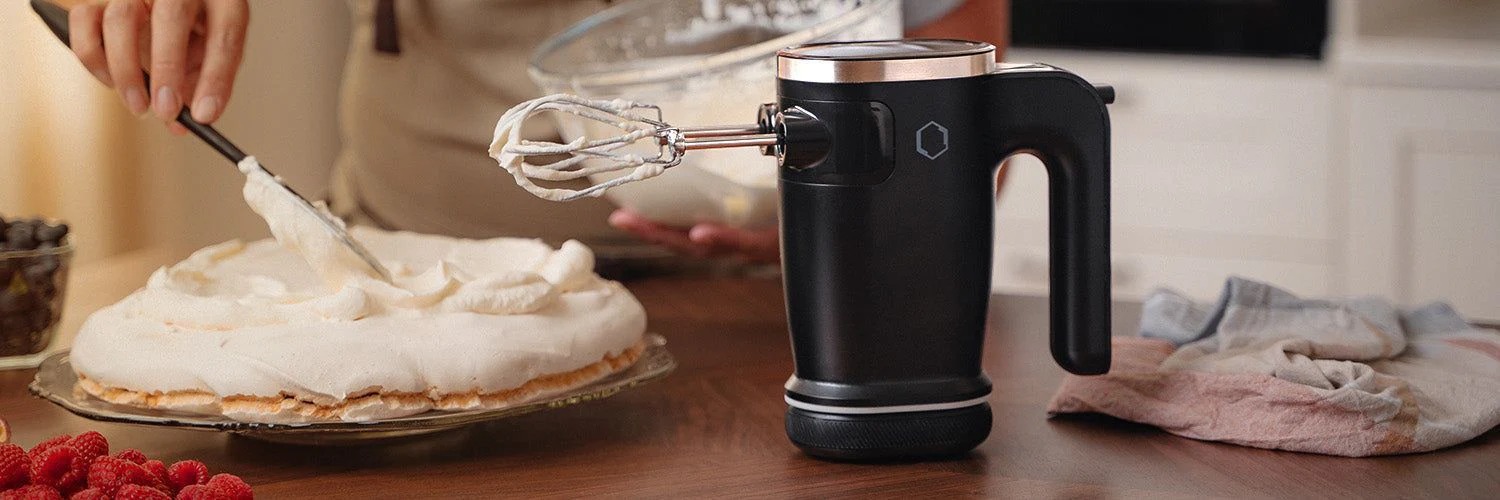
Demystifying Hand Mixers: Types and Essential Features
Choosing the right hand mixer involves more than just picking a pretty color. It’s about understanding the core components that dictate performance and usability.
Motor Power and Performance: It’s Not Just About Watts
Many believe higher wattage always means more power, but that’s not the whole story with hand mixers. While a motor with at least 200W is generally ideal for most tasks, the true indicator of a mixer’s strength often lies in the quality of its internal gears. Efficiently designed gears can deliver impressive power and torque even with a lower wattage motor, preventing strain and ensuring consistent mixing. “Don’t get fixated on just the wattage number,” advises Chef Anya Sharma, Culinary Innovator at The Whisk & Spoon Institute. “A well-engineered mixer often uses its power more effectively, providing smoother operation and better results, even at moderate wattages.” Look for mixers that feel robust, even if their wattage isn’t the highest on the shelf.
Speed Settings and Control: The Art of Precision
Modern hand mixers offer a range of speed settings, typically from three to nine or more. This variety is crucial for tackling different ingredients and recipes. A “slow start” feature is particularly valuable, preventing flour clouds and liquid splatters by gradually increasing speed. Imagine trying to mix powdered sugar without it – a kitchen blizzard! Multiple speeds allow you to gently combine dry ingredients, gradually increase to cream butter and sugar, or whip egg whites to stiff peaks with precision. Smooth, easily adjustable controls, often thumb-operated, enhance the user experience by allowing seamless transitions mid-mix.
Attachments: Your Mixing Arsenal
The versatility of your hand mixer largely depends on its attachments:
- Standard Beaters: These are your workhorses, perfect for mixing cake batter, cookie dough, and mashing potatoes. Some advanced models feature rubber-coated beaters that scrape the bowl more effectively and reduce noise.
- Whisk Attachments (Balloon Whisks): Essential for incorporating air, these are ideal for whipping egg whites, cream, and light meringues.
- Dough Hooks: Designed for kneading light to medium doughs, such as pizza or bread dough. For heavier, thicker doughs, a stand mixer is generally recommended to avoid straining the hand mixer’s motor.
- Specialty Attachments: Some mixers might include spatulas or blending rods for specific tasks.
Always check if attachments are dishwasher-safe for effortless cleanup.
Design and Ergonomics: Comfort in Your Hand
Since you’ll be holding your hand mixer for extended periods, ergonomic design is paramount. Look for a model that feels balanced in your hand, with a comfortable, non-slip grip. The weight is also a critical factor; too heavy, and you’ll experience arm fatigue; too light, and you might lack control. Many experts suggest an ideal weight around 1.5 pounds (680g) for optimal balance and usability. A flat, stable base is a small but significant detail, allowing you to rest the mixer upright on the counter without it toppling over, preventing messes and saving precious counter space.
Smart Storage Solutions
Hand mixers, with their various attachments, can sometimes lead to cluttered drawers. Many models address this with clever storage solutions like snap-on cases that neatly house beaters, whisks, and cords, keeping everything organized and easily accessible. Some even have retractable cords, further streamlining storage.
Choosing Your Ideal Mixing Partner
When you’re ready to target a hand mixer that truly meets your culinary aspirations, consider what tasks you’ll perform most often. For light, quick jobs like whipping cream or scrambling eggs, a basic, lightweight model might suffice. However, for regular baking involving denser batters or light doughs, investing in a more powerful mixer with diverse attachments and multiple speeds will pay dividends in performance and longevity.
Brands like Breville, with its innovative Handy Mix Scraper featuring quiet, coated beaters and smart torque adjustment, or Braun’s MultiMix, known for its powerful motor and ergonomic design, often stand out in reviews. KitchenAid offers reliable and aesthetically pleasing options across various price points, while Hamilton Beach and Black+Decker provide excellent value with robust performance. Many of these popular and highly-rated models are readily available at major retailers, making it easy to find a quality hand mixer that fits your budget and specific kitchen needs.
Mastering Your Hand Mixer: Tips for Optimal Use
Unlocking the full potential of your hand mixer goes beyond simply plugging it in. Here are some pro tips for optimal use:
Prepping for Success
Before you even turn on your mixer, ensure your ingredients are at the right temperature, especially butter and eggs, for optimal emulsification and volume. Use a deep, narrow mixing bowl to minimize splattering and ensure ingredients are thoroughly combined by allowing the beaters to reach all parts of the mixture effectively.
The Art of Speed Control
Start on the lowest speed when combining dry ingredients with wet, or when first introducing beaters into a mixture. This prevents plumes of flour or splashes of liquid. Gradually increase the speed as ingredients integrate and you need more power for aeration or blending. Reserve the highest speeds for whipping tasks like egg whites or heavy cream, where maximum air incorporation is desired.
Efficient Mixing Techniques
Move your hand mixer in a circular motion around the bowl, occasionally tilting the bowl and scraping down the sides with a spatula. This ensures all ingredients are evenly incorporated and prevents unmixed pockets at the bottom or edges. Avoid overmixing, especially with batters, as it can develop gluten too much, leading to tough baked goods. Mix only until just combined.
Cleaning and Maintenance
Always unplug your hand mixer before attaching or detaching beaters, and before cleaning. Most attachments are dishwasher-safe, simplifying cleanup. For the mixer body, a quick wipe with a damp cloth is usually sufficient. Avoid submerging the motor unit in water. Proper cleaning and storage will extend the life of your appliance.
Beyond the Basics: Creative Uses and Benefits of Your Hand Mixer
The hand mixer is a powerhouse of convenience, offering numerous advantages and applications:
Time-Saving and Consistency
One of the greatest benefits is the sheer time it saves. What takes minutes of strenuous manual whisking can be done in seconds with a hand mixer, freeing up your valuable time. This efficiency also leads to consistently better results, ensuring uniform texture and aeration, which is crucial for perfect cakes and fluffy whipped cream.
Whipping and Beating: Classic Applications
From effortlessly whipping heavy cream into a cloud-like topping for desserts to beating egg whites into stiff peaks for meringues or soufflés, the hand mixer excels at aeration. It’s also perfect for creaming butter and sugar together, forming the foundational step for many delicious baked goods, yielding a light and airy base.
Light Doughs and Batters: Expanding Your Baking Repertoire
While not designed for heavy bread doughs, hand mixers with dough hooks can easily handle lighter doughs like those for quick breads, soft rolls, or even some pizza doughs. They are also indispensable for mixing pancake batter, waffle batter, and various cake and cupcake mixes, ensuring a smooth, lump-free consistency every time.
Unexpected Uses: Culinary Versatility
Beyond traditional baking, a hand mixer can be surprisingly useful for:
- Mashed Potatoes: Achieve perfectly smooth, lump-free mashed potatoes in a fraction of the time.
- Salad Dressings: Emulsify homemade vinaigrettes and creamy dressings effortlessly.
- Scrambled Eggs: Whip eggs for fluffy scrambles or omelets.
- Frostings and Glazes: Create smooth, spreadable frostings and glazes for your baked treats.
Popular Recipes Made Easy with a Hand Mixer
Armed with your trusty hand mixer, a world of delicious possibilities opens up. Here are a few favorites:
- Fluffy Whipped Cream: Transform heavy cream into a delightful topping for pies, fruit, or coffee in minutes.
- Decadent Chocolate Chip Cookies: Cream butter and sugar, then incorporate eggs and dry ingredients for perfectly textured cookie dough.
- Light and Airy Pancakes: Mix your batter to a smooth consistency, ensuring no lumps and a consistently fluffy stack.
- Classic Buttercream Frosting: Achieve a smooth, creamy frosting ideal for decorating cakes and cupcakes.
- Quick Banana Bread: Easily combine wet and dry ingredients for this moist and flavorful treat.
- Lemon Meringue Pie: Whip egg whites to towering, stable peaks for that iconic meringue topping.
Frequently Asked Questions About Hand Mixers (FAQ)
How many speeds do I really need?
For most home cooks, a hand mixer with 5 to 7 speeds offers excellent versatility, covering everything from gentle stirring to powerful whipping.
Can a hand mixer replace a stand mixer?
While a hand mixer is incredibly versatile for many tasks, it cannot fully replace a stand mixer, especially for large batches, heavy doughs, or recipes requiring prolonged, hands-free mixing. Think of them as complementary tools in the kitchen.
What’s the best wattage for a hand mixer?
Around 200-350 watts is often ideal. More important than the raw wattage is the quality of the motor and gears, which determines how efficiently that power is used.
Are dough hooks actually useful on a hand mixer?
Yes, dough hooks are useful for kneading lighter doughs, such as for quick breads, soft rolls, or even some pizza dough. For very heavy, stiff bread doughs, a stand mixer is generally more suitable to avoid straining the hand mixer.
How do I clean my hand mixer?
Always unplug it first. Most attachments are dishwasher-safe. Wipe the motor unit clean with a damp cloth, never submerge it in water.
What are some common mistakes to avoid?
Avoid trying to mix very heavy, dense doughs, overfilling your mixing bowl, and starting at high speeds, which can lead to splattering. Always ensure attachments are securely locked in place before use.
Conclusion: Empower Your Kitchen with the Right Hand Mixer
The hand mixer is far more than just a convenience; it’s a culinary enabler, bridging the gap between manual effort and professional results. By understanding the key features, focusing on quality design, and exploring its vast applications, you can easily target a hand mixer that will become an invaluable asset in your kitchen. From everyday whipping and beating to venturing into new recipes, the right hand mixer empowers you to bake and cook with greater ease, efficiency, and confidence. So go ahead, find your perfect mixing partner, and let your culinary creativity flourish!